
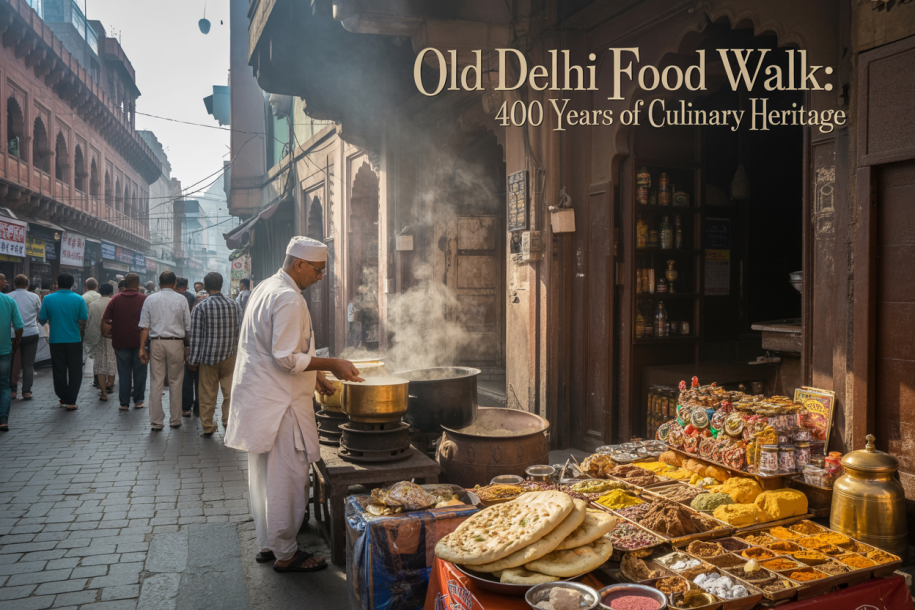
Discover the Timeless Flavors of Old Delhi’s Historic Food Scene
Food lovers, history buffs, and curious travelers will find Old Delhi’s narrow lanes hiding an incredible secret: the same families have been cooking traditional recipes in identical spots for four centuries. This Old Delhi food walk guide reveals 12 legendary dishes that have survived Mughal empires, British rule, and modern development.
You’ll learn about the master chefs and recipe guardians who’ve passed down cooking techniques through 15-20 generations, keeping flavors exactly as they were centuries ago. We’ll also walk you through planning your perfect food adventure, from the best times to visit these historic lanes to understanding the cultural stories behind each bite.
Get ready to taste history in every dish and discover why Old Delhi remains India’s most authentic culinary destination.
Historical Context of Old Delhi’s Culinary Legacy
The Mughal influence on Delhi’s street food culture
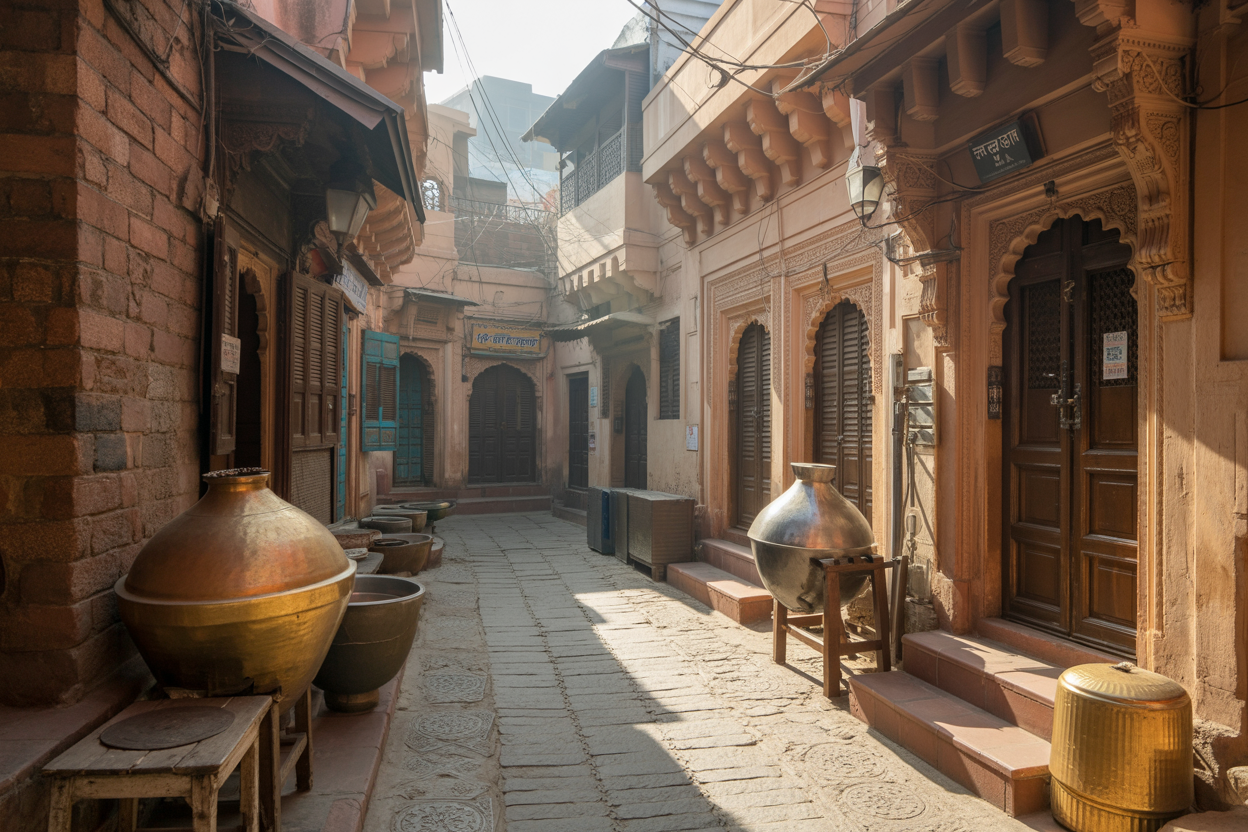
The Mughal Empire’s arrival in Delhi during the 16th century transformed the city’s culinary landscape forever. Emperor Humayun established his court in what we now call Old Delhi, bringing with him Persian cooking techniques, aromatic spices, and a royal kitchen tradition that would seep into the very streets of the city.
The Mughal emperors didn’t just change what people ate – they revolutionized how food was prepared and served. Royal chefs, known as bawarchis, introduced slow-cooking methods like dum cooking, where food was sealed in clay pots and cooked over gentle heat for hours. These techniques found their way from palace kitchens to street-side stalls, creating the rich, complex flavors that define Old Delhi’s food today.
Key Mughal contributions include:
- The art of marinating meats with yogurt and spices
- Tandoor cooking methods that created crispy naans and succulent kebabs
- Rice preparations like biryani and pulao
- Sweet-making techniques using milk, nuts, and ghee
- The concept of communal dining and hospitality
Shah Jahan’s construction of Shahjahanabad (Old Delhi) in 1639 created a bustling metropolis where royal cooks, displaced during political upheavals, set up shops in narrow lanes. These master chefs brought their closely guarded recipes to the common people, establishing food traditions that would outlast the empire itself.
How trade routes shaped the flavors of Old Delhi
Old Delhi’s position as a crucial stop on ancient trade routes made it a melting pot of flavors from across the known world. The Grand Trunk Road, stretching from Bengal to Afghanistan, passed directly through Delhi, bringing merchants, travelers, and their culinary traditions to the city’s doorstep.
Traders from Central Asia brought dried fruits, nuts, and saffron that became staples in Delhi’s sweet shops. Afghan merchants introduced robust meat preparations and bread-making techniques. From the south came Tamil and Telugu communities who added their own spice blends and cooking methods to the city’s growing food repertoire.
Major trade influences on Old Delhi’s cuisine:
- Central Asian routes: Brought almonds, pistachios, and dried apricots
- Silk Road connections: Introduced saffron, cardamom, and cinnamon
- Arabian trade links: Added dates, rose water, and new preservation techniques
- Bengal connections: Brought fish preparations and rice varieties
- Gujarat merchants: Introduced vegetarian cooking methods and gram flour preparations
The spice markets of Chandni Chowk became legendary because merchants from different regions would converge here, creating unique spice blends that couldn’t be found anywhere else. Each lane developed its own specialty based on which trading community settled there, creating the diverse food ecosystem we see today.
The survival of recipes through centuries of political change
Old Delhi’s food culture survived multiple invasions, colonial rule, partition, and modernization because the recipes lived in the hands and hearts of ordinary people. When empires fell and rulers changed, the street vendors, small shop owners, and home cooks kept the traditions alive.
During the British Raj, many traditional cooking methods were looked down upon as “native” practices. However, the narrow lanes of Old Delhi provided refuge for authentic recipes. Families passed down cooking techniques through generations, often adapting them to available ingredients while maintaining their essential character.
Factors that ensured recipe survival:
- Family traditions: Recipes passed orally from mother to daughter, master to apprentice
- Community festivals: Religious celebrations kept traditional foods alive
- Economic necessity: Street food provided livelihoods for displaced royal cooks
- Geographic isolation: Old Delhi’s narrow lanes created pockets of culinary preservation
- Customer loyalty: Regular patrons demanded authentic flavors, preventing major changes
The 1947 partition brought another wave of culinary refugees to Old Delhi. Families from Lahore, Peshawar, and other cities in Pakistan brought their own versions of traditional recipes, adding new layers to the existing food culture. Rather than replacing old traditions, these influences blended seamlessly into the existing tapestry.
Many shops operating today can trace their recipes back 200-300 years. The famous Karim’s restaurant, established in 1913, still uses recipes from the Mughal royal kitchens. Paranthe Wali Gali has families who have been making stuffed parathas using the same techniques for six generations. This continuity exists because each generation understood their role as guardians of culinary heritage, not just business owners.
The Ancient Lanes That House Culinary Treasures
Chandni Chowk’s role as the epicenter of traditional cuisine
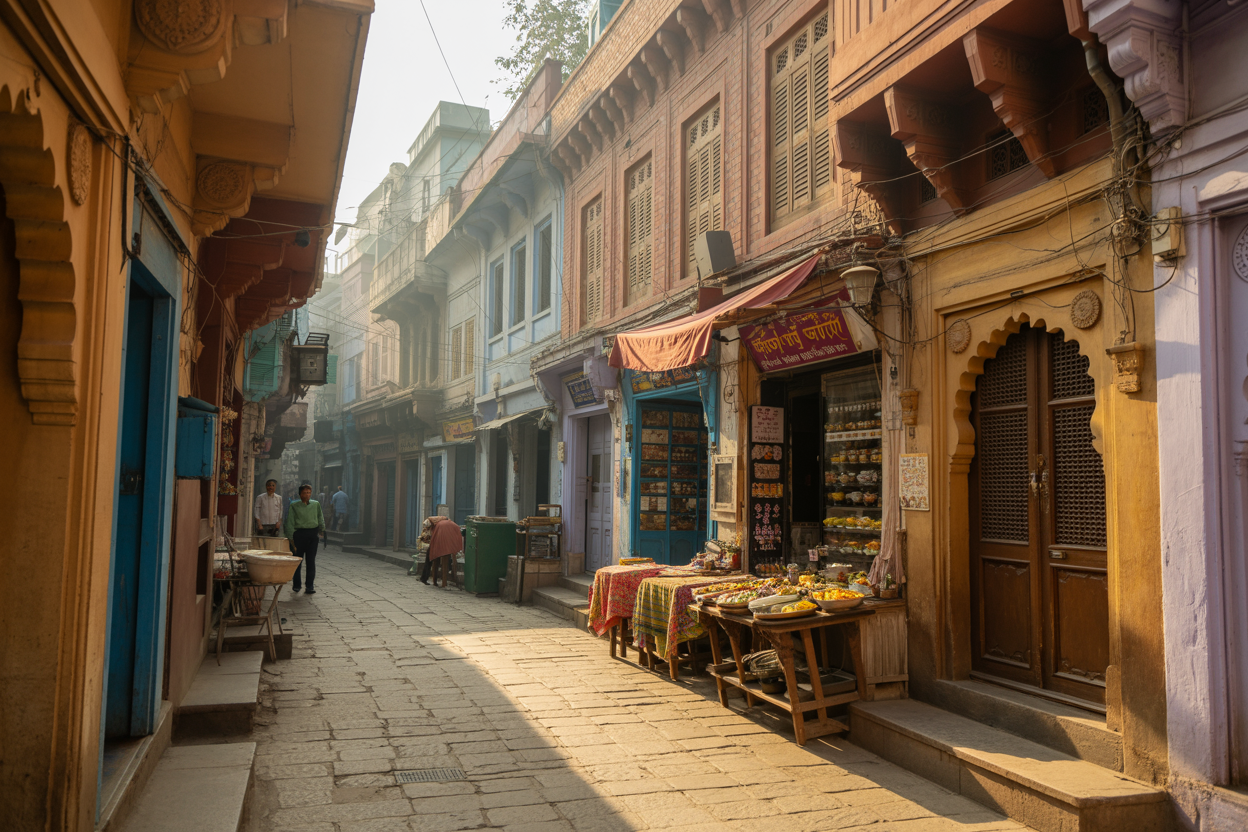
Chandni Chowk stands as the beating heart of Old Delhi’s culinary empire, where the aroma of centuries-old recipes fills the air like an invisible map guiding food lovers through time. This grand bazaar, established by Mughal Emperor Shah Jahan in the 17th century, has maintained its status as Delhi’s most legendary food destination for over 400 years. The main artery pulses with energy as vendors call out their specialties, from sizzling jalebis at Old Famous Jalebi Wala to the legendary parathas at Paranthe Wali Gali.
Walking down this historic stretch feels like stepping into a living cookbook where every stall tells a story. The shops here don’t just serve food – they serve heritage on plates, with recipes that have survived the rise and fall of empires. Street vendors balance massive karahis filled with bubbling oil, their movements choreographed by generations of practice. The famous kulfi vendors still use traditional terra cotta pots, just as their great-grandfathers did when serving Mughal nobility.
What makes Chandni Chowk truly special is how modern Delhi swirls around these ancient food traditions without disturbing them. Office workers in crisp shirts stand alongside traditionalists in kurtas, all united by their love for the authentic flavors that refuse to bow to changing times.
Hidden bylanes where authentic recipes are preserved
Beyond Chandni Chowk’s bustling main road lie narrow, winding lanes where the real culinary magic happens. These forgotten pathways house tiny establishments that most tourists never discover, yet they guard some of Delhi’s most precious food secrets. Gali Kababian, barely wide enough for two people to pass, harbors kebab masters whose techniques remain unchanged since the Mughal era.
Each bylane specializes in particular dishes – some focus entirely on different varieties of chaat, while others dedicate themselves to perfecting a single sweet. The narrow Dariba Kalan lane houses silver merchants alongside halwai shops that have been creating the same mithai recipes for centuries. These spaces feel almost sacred, where the walls themselves seem soaked in the essence of cardamom, saffron, and slow-cooked meat.
The beauty of these hidden spots lies in their authenticity. Without the pressure of tourist crowds, these lanes maintain their original character. Shop owners take pride in explaining their family recipes, often inviting curious visitors to watch the preparation process. The equipment here tells its own story – worn tandoors blackened by decades of use, massive grinding stones smoothed by countless batches of spices, and brass vessels that gleam from years of careful polishing.
Family-run establishments that have passed down recipes for generations
The soul of Old Delhi’s food culture lives within its family-run establishments, where recipes travel through bloodlines like precious heirlooms. These aren’t restaurants in the modern sense – they’re culinary dynasties where each generation adds their own chapter to an ongoing food story while carefully preserving the essence that made their ancestors famous.
At Karim’s, established in 1913, the current owners still use the same spice blends and cooking methods their great-grandfather brought from the Mughal kitchens. The massive tandoors have been rebuilt multiple times, but always following the exact specifications passed down through oral tradition. Watch the cooks work, and you’ll notice they don’t measure anything – their hands know exactly how much salt to pinch, how long to stir, and when the meat reaches perfect tenderness.
These family guardians face constant challenges from rising rents and changing neighborhood dynamics, yet they persist because they understand their role extends beyond business. They’re keepers of cultural DNA, preserving not just recipes but entire ways of life. Many have turned down lucrative offers to franchise their brands, knowing that authentic flavor can’t be replicated in distant kitchens by unfamiliar hands.
The respect these families command is remarkable. Regular customers, some third-generation patrons themselves, wait patiently for their orders because they know good things take time. The preparation methods haven’t been rushed or modernized – slow cooking remains slow, hand-ground spices are still ground by hand, and every dish emerges with the depth of flavor that only comes from time-honored techniques.
The 12 Iconic Dishes That Define Old Delhi’s Food Heritage
Savory delights that have remained unchanged for centuries
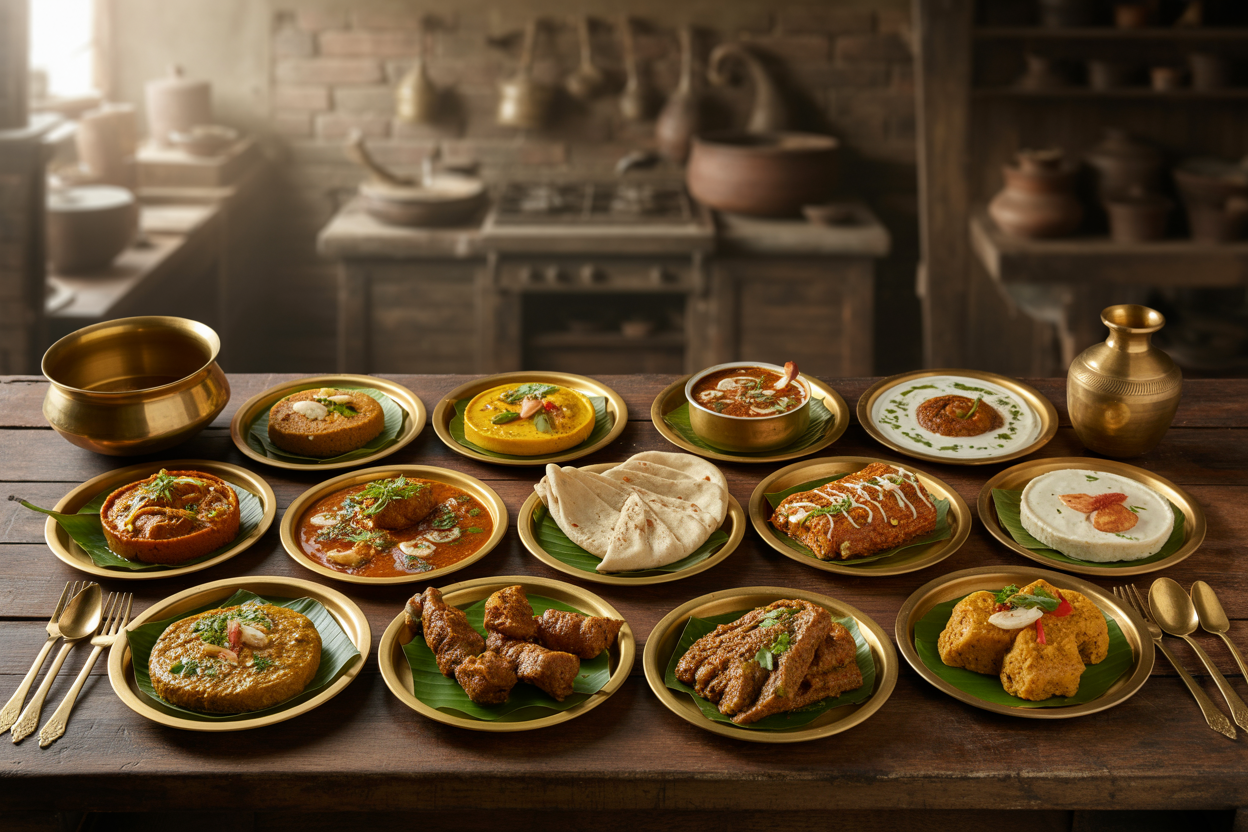
The savory backbone of Old Delhi’s culinary legacy rests on dishes that have weathered empires and endured through countless generations. Paranthe Wali Gali continues to serve stuffed parathas using recipes passed down through seventeen generations, where each layer of dough holds secrets that date back to Mughal courts. The kebabs of Karim’s represent the pinnacle of this unchanged tradition—their mutton seekh kebabs and chicken jahangiri follow the exact same preparation methods established in 1913, with spice blends that mirror those served to Emperor Shah Jahan.
Nihari emerges as perhaps the most storied of these ancient dishes. Originally created as a dawn meal for Mughal laborers, this slow-cooked stew has maintained its overnight cooking process for four centuries. The bone marrow melts into the gravy exactly as it did when the dish first gained royal approval. Similarly, korma preparations in Old Delhi still employ the traditional dum cooking method, where sealed pots preserve flavors that transport diners to a bygone era.
The chole bhature served near Jama Masjid follows preparation techniques that predate modern cooking methods entirely. Each chickpea curry bubbles in copper vessels seasoned by decades of use, while the bread puffs over coal fires that create the same smoky essence enjoyed by Delhi’s residents centuries ago.
Sweet treats that tell stories of royal kitchens
Old Delhi’s mithai shops function as living museums of royal confectionery arts. Jalebis spiral through hot oil in patterns that mirror the geometric designs found in Mughal architecture, while their sugar syrup recipes remain guarded family secrets spanning fifteen generations. The preparation ritual happens at dawn, just as it did when these sweets graced imperial breakfast tables.
Rabri faluda represents the sophisticated dessert culture of the Mughal era. The layered presentation—vermicelli, milk pudding, and rose syrup—creates the same visual spectacle that once impressed court visitors. Street vendors near Chandni Chowk still prepare this treat using techniques passed down from royal khansamas, with each layer added in precise timing that determines the final texture.
Kulfi vendors around Red Fort continue churning their frozen desserts in traditional clay pots, creating the dense, creamy texture that made this treat a favorite among Mughal nobility. The cardamom and pistachio combinations follow recipes that originated in palace kitchens, where temperature control relied on natural cooling methods still employed today.
Sohan halwa production involves the same laborious process of stirring milk and sugar for hours until the mixture achieves the perfect golden hue. This sweet emerged from royal kitchens where time was never a constraint, and modern vendors honor this patience-demanding tradition.
Street snacks that represent the common man’s cuisine
The streets of Old Delhi showcase culinary democracy through snacks that emerged from necessity and creativity rather than royal patronage. Papri chaat vendors assemble their dishes with theatrical flair, layering crispy wafers, chutneys, and yogurt in combinations that satisfy both hunger and the need for affordable indulgence. These flavor bombs originated as quick meals for working-class Delhi residents who needed maximum taste within minimal budgets.
Raj kachori represents the evolution of street food innovation. These oversized crispy shells filled with multiple textures and flavors demonstrate how common vendors elevated simple ingredients into complex taste experiences. The preparation requires skills passed down through generations of chaat wallahs who learned to balance sweet, sour, and spicy elements without formal training.
Dahi bhalla appears throughout Old Delhi’s narrow lanes as a testament to the ingenuity of street vendors who transformed leftover lentils into profitable delicacies. The fermentation process and spice combinations create cooling effects perfect for Delhi’s harsh summers—knowledge accumulated through centuries of practical experience.
Aloo tikki stalls dot every major intersection, serving potato patties that represent resourceful cooking at its finest. The exterior crispness achieved over coal fires creates textures impossible to replicate through modern methods, while the interior remains fluffy through techniques refined by countless street-side masters.
Beverages that have quenched Delhi’s thirst for 400 years
Old Delhi’s beverage traditions flow through the same channels that once served Mughal emperors and common citizens alike. Shikanji stalls near mosques continue preparing their lemonade with black salt and roasted cumin—ingredients that provided essential electrolytes during long prayer sessions and scorching Delhi summers. The preparation involves hand-squeezing lemons and adjusting sweetness to individual preferences, creating personalized refreshment that modern standardization cannot match.
Lassi vendors around Jama Masjid churn their yogurt drinks using traditional wooden churns that create the perfect frothy texture. The rose and cardamom varieties follow recipes that originated in Mughal courts, where these cooling beverages provided relief during elaborate ceremonies and festivities.
Kanji emerges seasonally as a fermented drink that showcases Old Delhi’s understanding of probiotic benefits centuries before modern health science. Made from black carrots and mustard seeds, this tangy beverage supported digestive health during heavy meal seasons while providing essential nutrients through natural fermentation processes.
Sugarcane juice vendors operate the same manual pressing machines that have extracted sweet refreshment for generations. The immediate consumption requirement—juice must be drunk within minutes of extraction—maintains the authentic experience that connected past and present through shared appreciation for pure, unprocessed refreshment.
Master Chefs and Recipe Guardians of Old Delhi
Families who have dedicated their lives to preserving culinary traditions
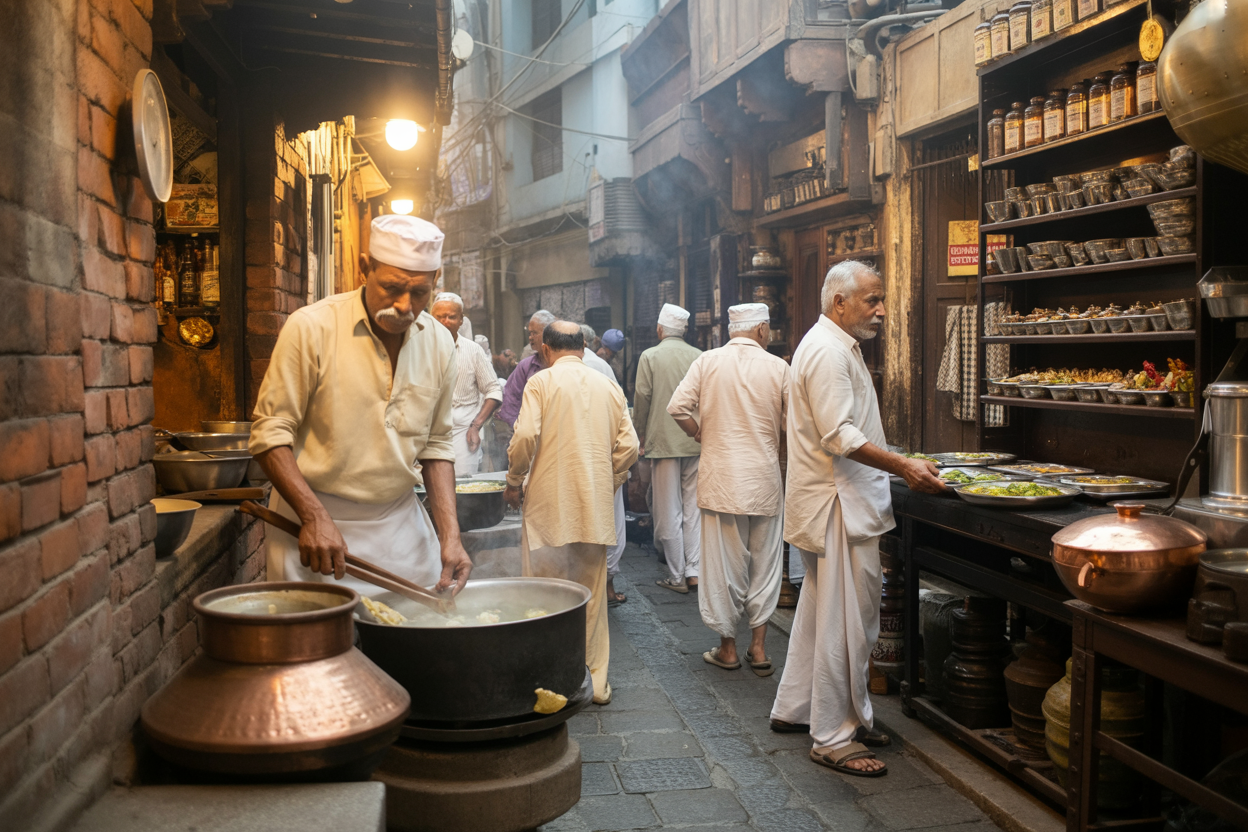
Behind every legendary dish in Old Delhi stands a family whose dedication spans generations. The Karim family has been perfecting their mutton korma recipe since 1913, with each generation adding subtle refinements while maintaining the core essence that made their restaurant famous. At Paranthe Wali Gali, the Pandit family has been rolling out stuffed paranthas for over 150 years, with recipes that remain closely guarded secrets passed down only to blood relatives.
These culinary dynasties operate more like conservatories than simple restaurants. The Jalebi Wala family in Dariba Kalan starts their day at 4 AM, hand-stirring massive vats of batter using techniques their great-great-grandfathers developed. Each family member learns not just the recipes, but the philosophy behind them – understanding how monsoon humidity affects dough consistency or why certain spices must be ground fresh each morning.
What makes these families extraordinary is their unwavering commitment to authenticity despite commercial pressures. The Daulat Ki Chaat vendors still prepare their ethereal winter dessert using the exact same whisking method their ancestors used, refusing mechanization that could speed production but alter texture. These aren’t just business owners – they’re cultural custodians who view their work as sacred responsibility.
The art of passing down cooking techniques through oral tradition
Traditional knowledge transfer in Old Delhi kitchens happens through observation, repetition, and intuition rather than written recipes. Young family members begin their culinary education by watching elders, gradually progressing from simple tasks like grinding spices to handling complex cooking processes.
The learning process resembles an apprenticeship where timing, temperature, and technique are absorbed through years of practice. A halwa maker learns to recognize the exact moment when milk solids caramelize by sound and aroma, not by following timed instructions. Kebab masters teach their sons to gauge meat tenderness through tactile sensation and to adjust spice levels based on subtle visual cues in the marination process.
This oral tradition creates remarkable consistency across decades. The biryani served at a particular shop today tastes identical to what customers enjoyed fifty years ago because each cook has internalized the same sensory markers and cooking rhythms. Stories, anecdotes, and cooking wisdom get woven together, creating rich narratives around each dish that preserve not just recipes but cultural context.
How these food artisans maintain authenticity in modern times
Staying authentic while adapting to contemporary challenges requires creative solutions. Many families have developed parallel systems – maintaining traditional preparation methods for signature dishes while incorporating modern equipment for basic prep work. The famous kulfi makers still freeze their desserts in traditional clay pots but use electric churners for initial mixing.
Quality control has become more sophisticated without compromising tradition. Spice vendors now test their blends using both ancestral tasting methods and modern standards, ensuring consistency while meeting health regulations. Some families have created detailed documentation of their processes – not to replace oral tradition but to supplement it and prevent knowledge loss.
The real challenge lies in ingredient sourcing. Traditional recipes often called for specific varieties of rice, wheat, or spices that are becoming scarce. Master chefs have become resourceful detectives, tracking down heritage seed varieties and building relationships with farmers who still grow traditional crops. Some have even started their own small-scale cultivation projects to ensure authentic ingredients remain available.
Managing customer expectations also requires balance. Food artisans educate visitors about seasonal variations in dishes, explaining why certain items taste different in summer versus winter, helping people appreciate the natural fluctuations that mass production has trained us to expect won’t exist.
Planning Your Perfect Old Delhi Food Walk Experience
Best times to visit for the most authentic flavors
Early morning from 7 AM to 10 AM offers the best culinary experience in Old Delhi. Street vendors prepare fresh ingredients at dawn, ensuring peak flavor quality. The famous parathas at Paranthe Wali Gali taste incredible during breakfast hours when the ghee is fresh and the griddles are perfectly seasoned from overnight rest.
Evening hours between 5 PM to 8 PM provide another prime window. Vendors who close during afternoon heat reopen with renewed energy, and many iconic dishes like dahi bhalla and aloo tikki reach their perfect texture after proper preparation time. Avoid lunch hours (12 PM to 3 PM) when extreme heat affects food quality and vendor enthusiasm.
Winter months from November to February offer the most comfortable exploration conditions. The cool weather keeps ingredients fresher longer and makes walking through dense crowds more pleasant. Monsoon season (July to September) should be avoided due to waterlogged streets and potential hygiene concerns.
Ramadan presents unique opportunities to experience special iftar delicacies, but timing becomes crucial around sunset hours when crowds surge dramatically.
Essential preparation tips for navigating the crowded lanes
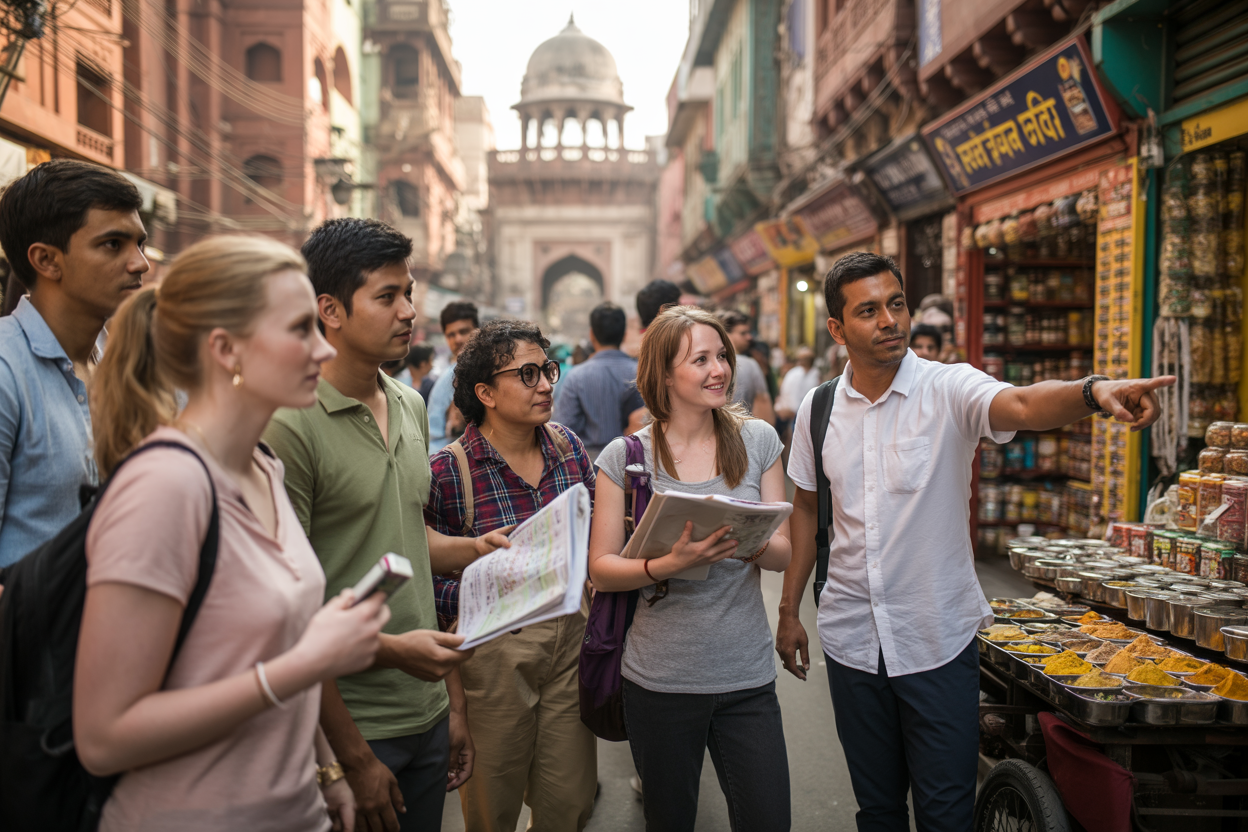
Wear comfortable, closed-toe shoes with good grip since Old Delhi’s narrow lanes can be slippery from spilled oils and water. The ancient stone pathways become treacherous when wet, and you’ll be doing considerable walking on uneven surfaces.
Carry a small backpack instead of a handbag to keep hands free for eating and navigating tight spaces. Pack wet wipes, hand sanitizer, and tissues – these become invaluable when clean water isn’t readily available.
Download offline maps before entering the maze-like streets where GPS signals often fail. Share your planned route with someone and establish check-in times. The labyrinthine layout can be disorienting even for frequent visitors.
Bring cash in small denominations (₹10, ₹20, ₹50 notes) since most vendors don’t accept cards or digital payments. Keep money in multiple pockets to avoid flashing large amounts in crowded areas.
Learn basic Hindi phrases for food orders and directions. Vendors appreciate the effort and often provide better service and fresher portions to visitors who make an attempt to communicate in the local language.
How to identify genuine traditional establishments from tourist traps
Authentic establishments show clear signs of longevity and local patronage. Look for shops with faded signboards, weathered facades, and equipment that appears well-used rather than pristinely new. The best vendors often operate from small, cramped spaces that have remained unchanged for decades.
Watch the crowd composition carefully. If you see primarily local families, office workers, and elderly customers, you’ve found an authentic spot. Tourist traps typically attract only foreigners and have servers who immediately approach with English menus and inflated prices.
Genuine vendors focus on preparing food rather than aggressive marketing. They won’t chase customers or offer excessive samples. The owner typically works alongside family members, and recipes pass down through generations rather than being handled by hired staff.
Traditional establishments often specialize in one or two dishes rather than offering extensive menus. A vendor who claims to make the “best” everything is usually catering to tourists rather than maintaining authentic specialization.
Check preparation methods carefully. Authentic vendors use traditional cookware – heavy iron pans, clay tandoors, and wooden utensils. Modern equipment often indicates a newer establishment trying to replicate traditional flavors.
Safety and hygiene considerations while exploring street food
Choose vendors with high customer turnover to ensure food freshness. Popular spots with constant queues indicate ingredients move quickly, reducing the risk of spoilage. Avoid vendors with food sitting uncovered for extended periods or those with flies hovering around preparation areas.
Observe cooking methods before ordering. Food prepared at high temperatures (deep-fried items, fresh-off-the-griddle preparations) carries lower contamination risk compared to pre-made items sitting at room temperature. Always watch your food being prepared when possible.
Stick to bottled water and avoid ice unless you’re certain about its source. Many vendors use filtered water, but verify before accepting drinks. Lassi and other dairy-based beverages require extra caution – choose vendors with visible refrigeration.
Start with smaller portions to test your tolerance, especially if you’re not accustomed to Indian spices and oil levels. Build up gradually rather than overwhelming your system on the first day.
Trust your instincts about cleanliness. If something looks, smells, or feels wrong, politely decline. Reputable vendors won’t be offended by cautious customers and often appreciate food safety awareness.
The Cultural Significance Behind Each Traditional Dish
Religious and Social Customs Connected to Specific Foods
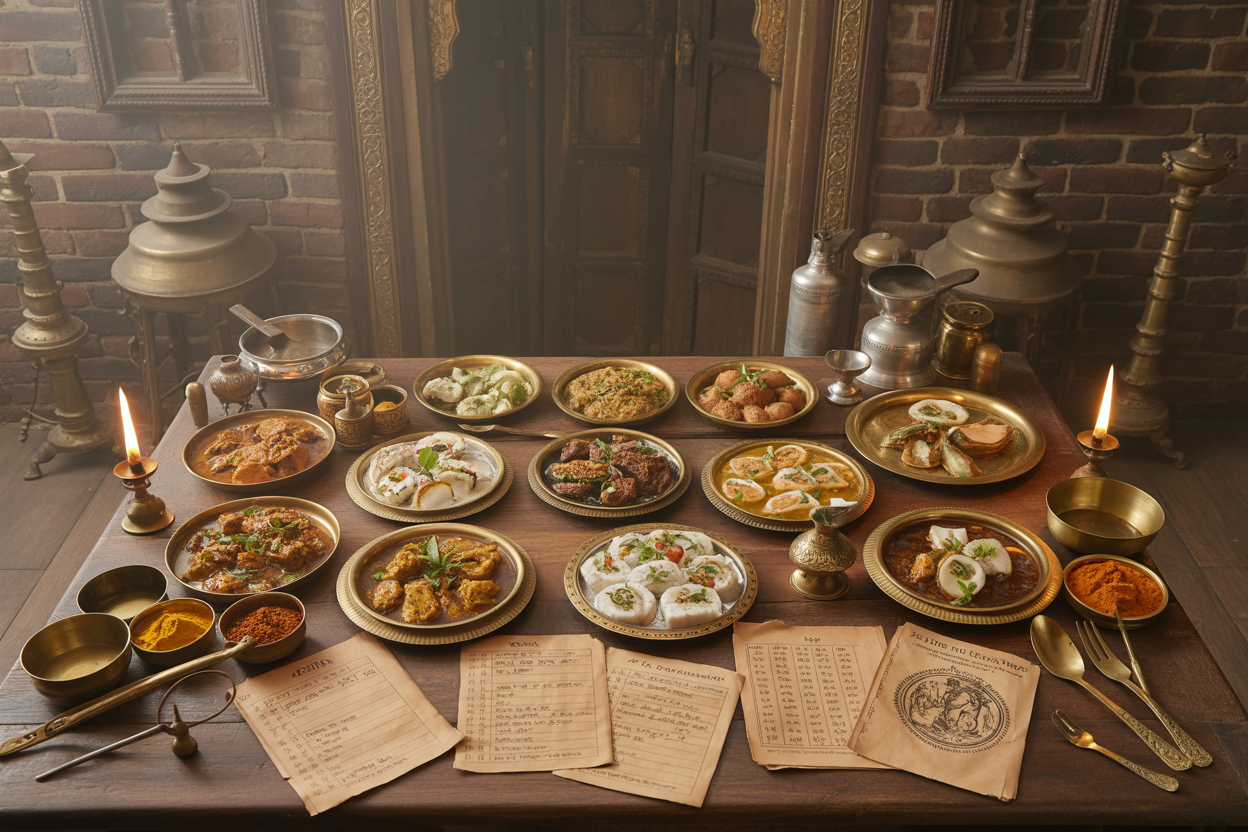
Food in Old Delhi carries deep spiritual meaning woven into the fabric of daily life. Each dish tells a story of faith, community bonds, and centuries-old traditions that continue to shape how families gather around meals.
Haleem holds sacred significance during Ramadan, representing unity as multiple grains and lentils merge into one nourishing dish. Families break their fast with this protein-rich delicacy, believing it brings blessings and strength for the spiritual journey ahead. The slow-cooking process mirrors the patience required during the holy month.
Sheer Khurma appears exclusively during Eid celebrations, symbolizing sweetness and prosperity for the coming year. This vermicelli pudding enriched with dates and nuts carries prayers for abundance, shared among neighbors regardless of their faith background.
Nihari traditionally served at dawn after Fajr prayers, originated as sustenance for laborers heading to work. The word itself means “day break,” connecting the dish to spiritual awakening and the start of honest labor.
Caste and community lines blur in Old Delhi’s eating spaces, where shared appreciation for food creates unexpected connections. Muslim chefs prepare sweets for Hindu festivals, while Hindu vendors sell snacks during Islamic celebrations, demonstrating how culinary traditions transcend religious boundaries and build social harmony through shared flavors.
How Seasonal Celebrations Influence the Preparation of Certain Dishes
Old Delhi’s culinary calendar dances with the rhythm of changing seasons and religious observances, creating a living cookbook that evolves throughout the year.
Winter months bring rich, warming preparations. Gajar ka halwa appears in every sweet shop, made with fresh carrots that arrive with the winter harvest. The ghee content increases during cold weather, providing essential fats that help bodies cope with Delhi’s harsh winter. Vendors add extra dry fruits and reduced milk, creating layers of flavor that warm both body and soul.
Monsoon season transforms the preparation methods entirely. Fried foods like pakoras and jalebis dominate the lanes as people seek comfort from the humidity. The oil temperature requires careful adjustment due to increased moisture in the air, and vendors often add extra spices to combat the dampening effects of rain on flavors.
Festival seasons trigger dramatic changes in traditional recipes. During Diwali, sweet makers work around the clock, preparing batches of gulab jamun and rasmalai that require precise timing and temperature control. The milk becomes richer as buffaloes feed on post-harvest grains, creating naturally sweeter dairy products.
Ramadan brings its own culinary transformation. Nihari recipes become more elaborate, with bones slow-cooked for up to twelve hours to create the perfect iftar meal. Vendors adjust spice levels to accommodate sensitive stomachs after day-long fasting, showing how religious practices directly influence cooking techniques.
The Storytelling Tradition That Accompanies Each Recipe
Every dish served in Old Delhi’s ancient lanes comes with stories passed down through generations, creating an oral cookbook that preserves history alongside flavor profiles.
Kebab makers share tales of Mughal emperors who first tasted their family recipes. Ahmed’s grandfather supposedly served Bahadur Shah Zafar, the last Mughal emperor, a secret blend of spices still used today. These stories, whether entirely accurate or embellished over time, create emotional connections between diners and their meals.
Sweet shop owners recount romantic legends behind their creations. One vendor claims his great-great-grandfather invented a particular gulab jamun recipe after dreaming of his beloved’s smile, leading to the perfect golden-brown color that still characterizes the sweets served today.
Paranthe wali gali resonates with stories of freedom fighters who gathered over stuffed breads, planning their next moves against colonial rule. Each variety of stuffed parantha supposedly fed different types of revolutionaries – cauliflower for the intellectuals, potato for the common folk, and meat for the warriors.
Street food legends include tales of accidental discoveries. One chaat vendor insists his family’s special tamarind chutney resulted from a happy mistake when his ancestor accidentally mixed the wrong proportions, creating a flavor so unique that customers began traveling from distant neighborhoods just to taste it.
These narratives transform simple transactions into cultural exchanges, where purchasing food becomes an act of participating in Delhi’s living history, connecting modern diners to centuries of tradition through shared stories and inherited flavors.
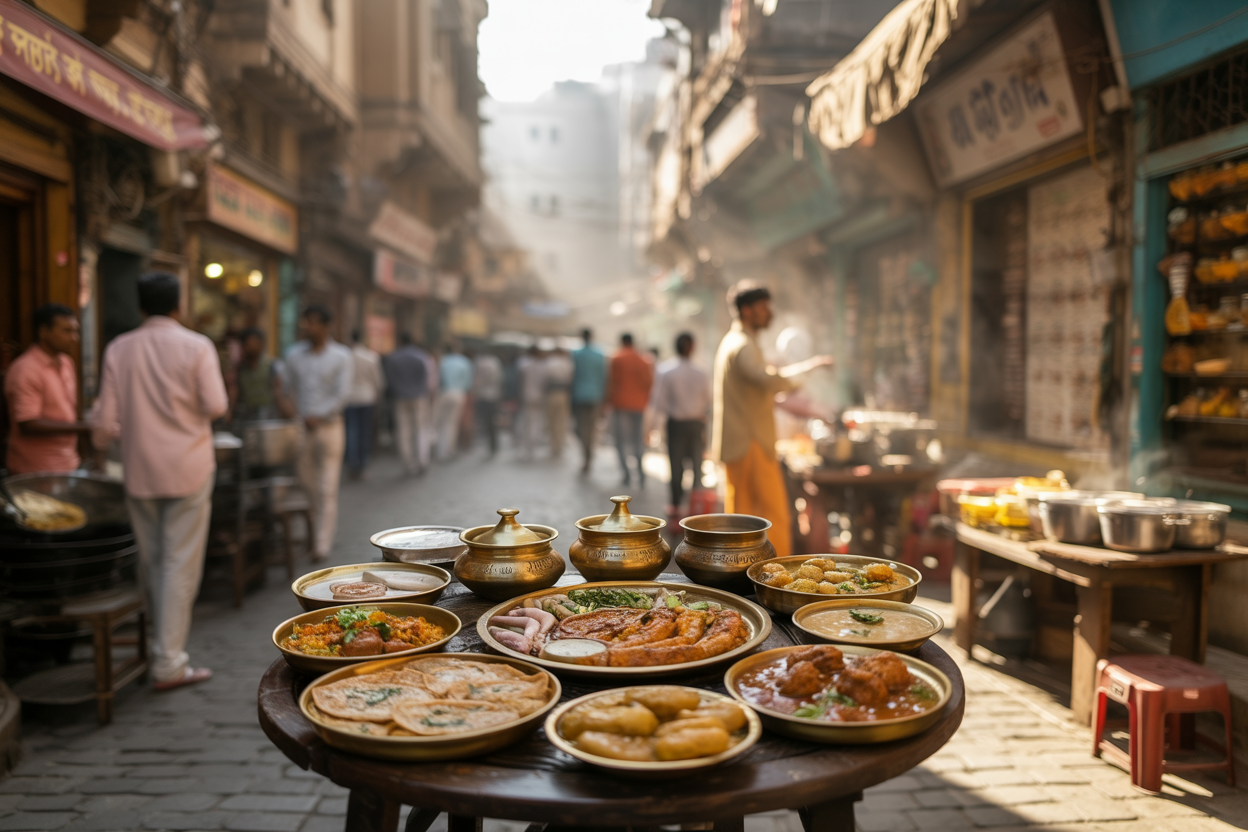
Old Delhi’s food scene isn’t just about great taste – it’s about stepping into living history. These 12 dishes have survived empires, wars, and centuries of change because they represent something deeper than food. They’re stories passed down through families, techniques perfected over generations, and flavors that connect us to the past in the most delicious way possible.
Walking through these ancient lanes and tasting these time-tested dishes is like taking a bite out of history itself. The master chefs who guard these recipes aren’t just cooks – they’re cultural keepers who’ve preserved something truly special. Next time you’re in Delhi, skip the fancy restaurants and head straight to these historic lanes. Your taste buds will thank you, and you’ll leave with a whole new appreciation for how food can carry the soul of a city across centuries.
Leave a Reply