
Planning your trip to Hampi can make or break your experience at this stunning UNESCO World Heritage site. This guide helps travelers, history buffs, and adventure seekers determine the best time to visit Hampi based on weather conditions, tourist crowds, and cultural events happening in 2026.
Hampi’s ancient ruins and dramatic landscape offer different experiences depending when you visit. We’ll break down the weather patterns throughout the year so you know what to expect, from scorching summers to pleasant winter months. You’ll also discover how tourist crowds vary between peak and off-season periods, helping you decide if you prefer bustling energy or peaceful exploration among the boulder-strewn temples.
We’ll cover the major festivals and cultural events calendar for 2026, including the famous Hampi Utsav and Vijayadashami celebrations that bring these ancient stones to life with music, dance, and local traditions.
Weather Patterns Throughout the Year in Hampi
Ideal Winter Months for Perfect Weather Conditions
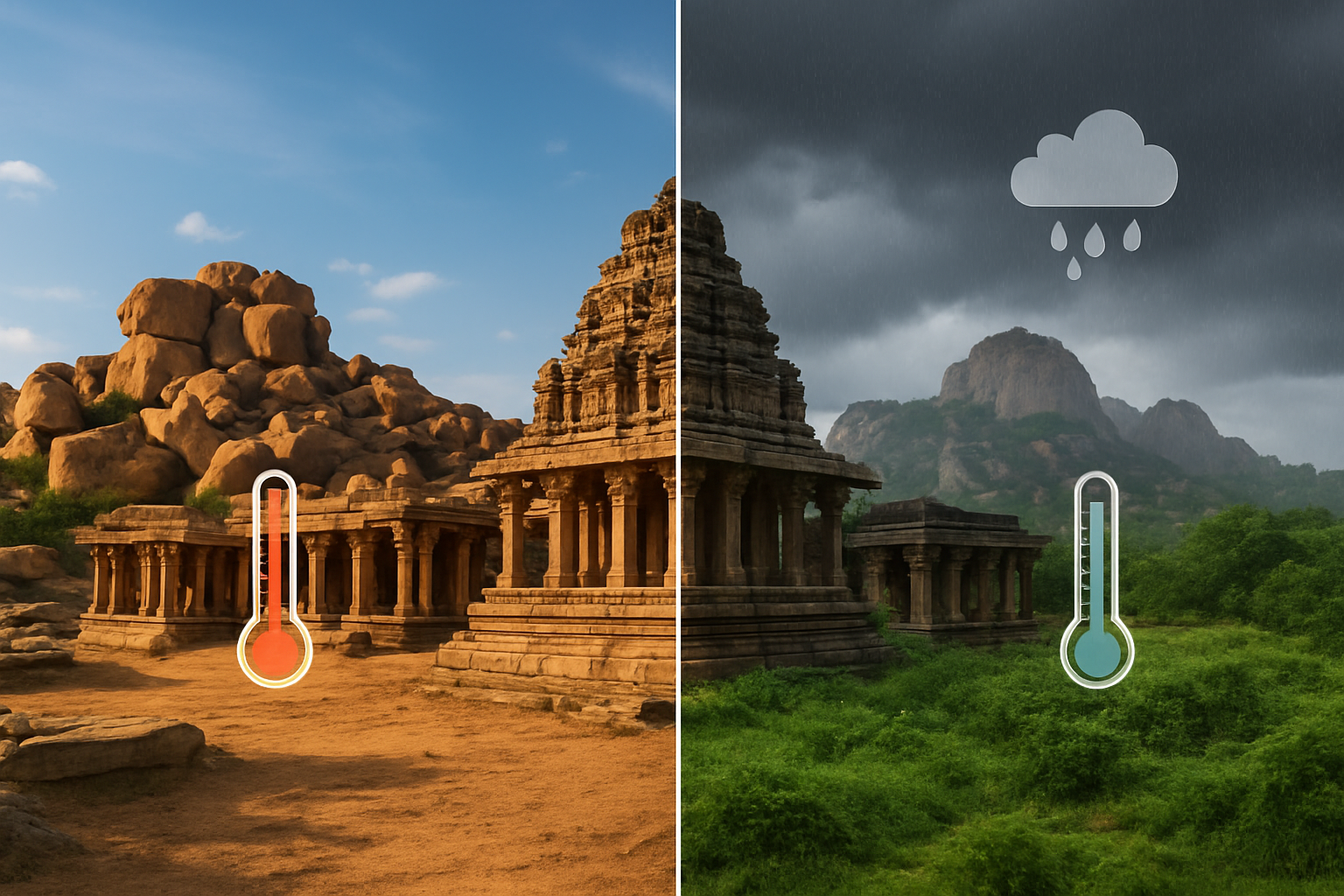
December through February brings Hampi’s most comfortable weather, with daytime temperatures hovering between 20-30°C (68-86°F). The cool, dry air makes exploring the sprawling ruins and boulder landscapes absolutely pleasant. Mornings start crisp at around 15°C (59°F), perfect for sunrise photography at Matanga Hill or peaceful walks through the royal enclosure.
January stands out as the crown jewel of Hampi’s weather calendar. Humidity drops significantly, and you’ll barely break a sweat while climbing to Hanuman Temple or cycling through the ancient streets. The clear skies provide excellent visibility for photography, making those Instagram shots of Virupaksha Temple pop with vibrant colors.
February maintains these ideal conditions, though temperatures begin their gradual climb toward month’s end. This makes it perfect for outdoor activities like coracle rides across the Tungabhadra River or extended exploration sessions at the Vittala Temple complex.
Scorching Summer Heat and Why to Avoid These Months
March kicks off the brutal summer season, with temperatures soaring beyond 40°C (104°F) by May. The mercury regularly touches 45°C (113°F), turning metal surfaces burning hot and making outdoor exploration nearly impossible during midday hours.
April and May represent the absolute worst months for visiting Hampi. The relentless heat transforms the rocky terrain into a furnace, and even early morning visits become uncomfortable by 9 AM. Tourist facilities often run limited schedules, and many local businesses reduce operating hours to cope with the extreme conditions.
The ancient stones absorb and radiate heat intensely, creating an oven-like environment that can lead to heat exhaustion within minutes. Air conditioning becomes essential, but power outages are common during peak demand periods. Even locals retreat indoors during these months, and you’ll find significantly reduced services and dining options.
Monsoon Season Challenges and Limited Accessibility
June through September brings heavy rainfall that dramatically changes Hampi’s landscape. While the countryside turns lush green and temperatures cool to a more manageable 25-35°C (77-95°F), the monsoons create significant challenges for visitors.
The Tungabhadra River swells considerably, making coracle rides impossible and cutting off access to several temple sites on the opposite bank. Many walking paths become slippery and potentially dangerous, especially around the boulder formations where most of Hampi’s famous photo spots are located.
Transportation gets disrupted frequently, with local buses and auto-rickshaws struggling on waterlogged roads. Archaeological sites may close temporarily during heavy downpours to protect both visitors and the ancient structures. The humidity shoots up dramatically, making the air feel heavy and uncomfortable despite cooler temperatures.
Photography becomes challenging due to frequent overcast skies and unexpected showers. However, dramatic cloud formations can create stunning backdrops for those willing to brave the weather with proper rain gear.
Temperature Ranges and What to Expect Each Season
Winter temperatures range from 15°C to 30°C (59°F to 86°F), with minimal humidity and gentle breezes. Expect clear blue skies and excellent visibility for sightseeing. Light cotton clothing works perfectly during the day, but pack a light jacket for early mornings and evenings.
Summer sees temperatures climbing from 35°C to 45°C (95°F to 113°F), with intense, dry heat that peaks around 2-4 PM. The sun becomes harsh enough to cause sunburn within 15 minutes, and metal surfaces become too hot to touch. Hydration becomes critical, requiring 3-4 liters of water daily.
Monsoon season brings temperatures down to 25-35°C (77-95°F), but humidity levels skyrocket to 80-90%. Rain typically arrives in short, intense bursts rather than continuous drizzle, often accompanied by strong winds. The weather can change rapidly from sunny to stormy within minutes.
Post-monsoon months of October and November offer a transition period with temperatures around 25-35°C (77-95°F) and decreasing humidity levels, making them increasingly comfortable as winter approaches.
Peak vs Off-Season Tourist Crowds Analysis
High Season Rush and Overcrowded Attractions
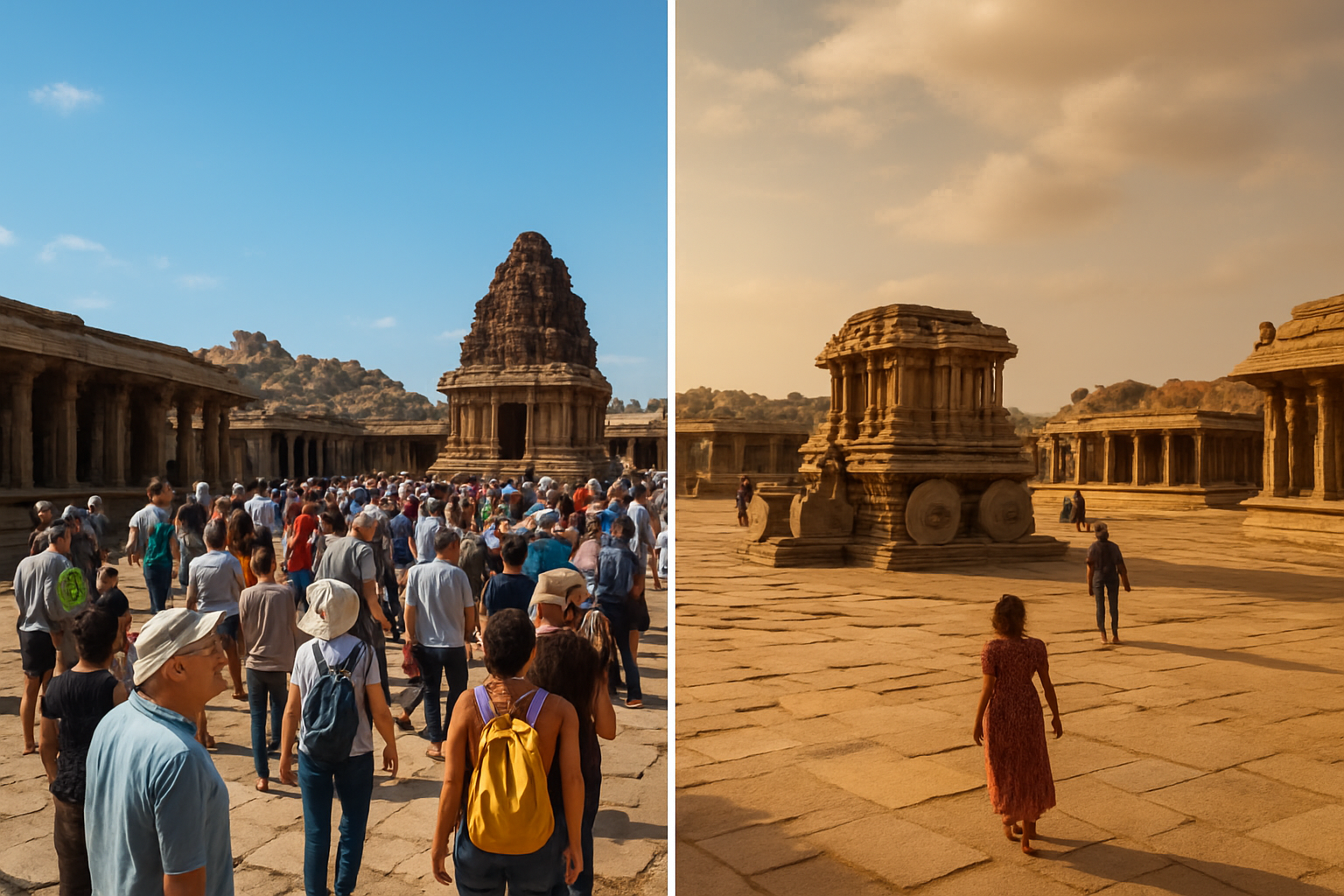
From October through March, Hampi transforms into a bustling tourist destination with crowds flocking from around the world. The comfortable weather brings peak season challenges that can significantly impact your experience. Popular sites like the Virupaksha Temple, Vittala Temple, and Hampi Bazaar become incredibly crowded, especially between 10 AM and 4 PM.
Accommodation prices during this period can be 2-3 times higher than off-season rates, and booking in advance becomes essential. The most sought-after heritage hotels and guesthouses fill up months ahead, particularly around Diwali, Christmas, and New Year. Photography enthusiasts often find themselves waiting in long queues for that perfect shot at iconic spots like the Stone Chariot or Matanga Hill sunrise viewpoint.
The increased foot traffic also affects the authentic local experience. Street vendors become more aggressive with pricing, and finding peaceful moments for contemplation at these ancient ruins becomes challenging. Parking becomes a nightmare near major attractions, and the narrow roads leading to temple complexes experience heavy congestion.
Despite these drawbacks, the high season offers excellent weather conditions, vibrant cultural programs, and the best infrastructure services. Restaurants stay open longer, guided tours are readily available, and transportation options are abundant.
Shoulder Season Benefits for Balanced Experience
April to May and September represent Hampi’s shoulder seasons, offering a sweet spot between weather conditions and crowd management. During these months, you’ll encounter significantly fewer tourists while still enjoying reasonable weather conditions, though temperatures start climbing in late April and May.
The shoulder seasons provide several distinct advantages for travelers seeking a more authentic experience. Accommodation rates drop by 30-40% compared to peak season, and you have better negotiating power with hotels and guesthouses. Popular attractions remain accessible without the overwhelming crowds, allowing for more intimate exploration of the ruins and temples.
Local interactions become more genuine during shoulder periods. Shopkeepers and guides have more time to engage in meaningful conversations, sharing stories and insights that get lost in the peak season rush. The pace of life slows down, matching the contemplative atmosphere that these ancient ruins naturally evoke.
Photography conditions improve dramatically with fewer people in frame, and sunrise spots like Matanga Hill or Hemakuta Hill offer more space to set up equipment and enjoy the moment peacefully. The reduced competition for prime viewing spots means you can take your time exploring different angles and compositions.
Restaurant service becomes more attentive, and you’re more likely to secure tables at popular local eateries without long waits. Transportation is more reliable, with auto-rickshaws and taxis readily available at standard rates rather than inflated peak season prices.
Low Season Advantages for Budget Travelers
June through August marks Hampi’s low season, coinciding with the monsoon period. While weather conditions can be challenging, this season offers unparalleled advantages for budget-conscious travelers and those seeking solitude among the ruins.
Accommodation costs plummet during monsoon months, with many hotels offering rates at 50-70% below peak season prices. Budget travelers can access premium properties that would normally be outside their price range. Many establishments offer extended stay discounts and flexible booking policies during this period.
The monsoon transforms Hampi’s landscape into a lush green paradise, creating a completely different visual experience. The usually arid terrain becomes vibrant with vegetation, and the Tungabhadra River flows with renewed vigor. This season offers unique photographic opportunities with dramatic cloud formations, occasional rainbows, and the contrast between ancient stone structures and fresh greenery.
Crowds virtually disappear during low season, providing an almost exclusive experience of these UNESCO World Heritage sites. You might find yourself alone at major temples and viewpoints, creating opportunities for deep meditation and spiritual connection with the ancient energy of the place.
Local prices for food, transportation, and shopping drop significantly. Vendors become more flexible with pricing, and you can experience authentic local hospitality without the commercial pressure that peak season brings. Many locals have more time to share stories and cultural insights.
The cooler mornings and evenings during monsoon season can be perfect for exploration, though indoor backup plans become essential for rainy afternoons.
Major Festivals and Cultural Events Calendar 2026
Hampi Utsav Festival Dates and Celebrations
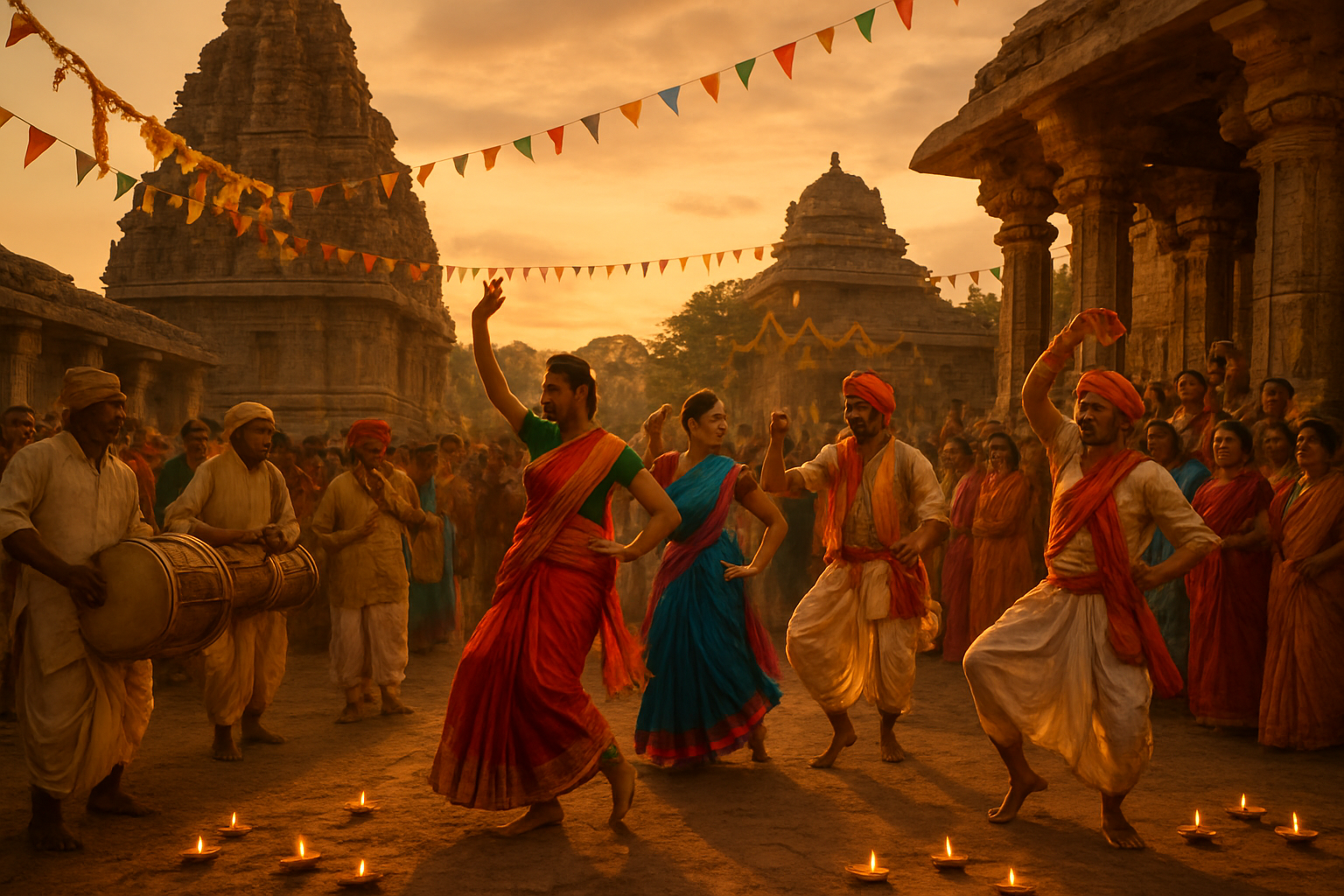
The crown jewel of Hampi’s festival calendar, Hampi Utsav takes place from November 3-5, 2026. This three-day extravaganza transforms the ancient ruins into a vibrant cultural playground where history meets contemporary celebration. Organized by the Karnataka Government, the festival features classical dance performances against the backdrop of the Virupaksha Temple and Vitthala Temple complex.
Expect mesmerizing Bharatanatyam and Kuchipudi performances on outdoor stages, with the illuminated stone chariot serving as a dramatic backdrop. Local artisans showcase traditional crafts including stone carving demonstrations, silk weaving, and brass work. The festival also features puppet shows, folk music concerts, and cultural exhibitions that bring Vijayanagara Empire’s golden era to life.
Key highlights:
- Sound and light shows at major monuments
- Traditional craft workshops and demonstrations
- Royal procession recreating historical pageantry
- Food stalls serving authentic Karnataka cuisine
- Photography exhibitions showcasing Hampi’s heritage
Vijaya Utsav Cultural Extravaganza
Scheduled for January 26-28, 2026, Vijaya Utsav celebrates the victory of the Vijayanagara Empire and coincides with India’s Republic Day. This festival focuses heavily on historical reenactments and educational cultural programs that appeal to history enthusiasts and families alike.
The celebration includes dramatic performances depicting famous battles and court scenes from the empire’s peak years. Local theater groups perform in Kannada and English, making the rich history accessible to diverse audiences. Archaeological walks led by expert historians provide deeper insights into the ruins’ significance.
Special attractions:
- Historical costume displays and armor exhibitions
- Traditional weapon demonstrations
- Heritage walks with expert guides
- Documentary screenings about Vijayanagara architecture
- Interactive sessions with local archaeologists
Local Religious Festivals Worth Experiencing
Virupaksha Temple Car Festival (March 15-17, 2026) stands out as the most authentic religious experience in Hampi. The massive temple chariot, pulled by hundreds of devotees, creates an atmosphere of devotion that has remained unchanged for centuries. The festival draws pilgrims from across South India, offering visitors a genuine glimpse into living Hindu traditions.
Pampa Sarovar Festival (October 12-14, 2026) celebrates the sacred lake mentioned in the Ramayana. Devotees believe bathing in these waters during the festival brings spiritual purification. The celebration includes traditional boat races, evening aarti ceremonies, and religious discourse sessions.
Monthly Ekadashi celebrations occur throughout the year at various temples, with particularly vibrant observances at Hazara Rama Temple. These smaller festivals provide intimate experiences with local customs and are perfect for travelers seeking authentic spiritual encounters rather than tourist-oriented events.
Photography and Heritage Festivals
Hampi Heritage Photography Festival (February 20-24, 2026) attracts photographers and visual artists from around the globe. The five-day event combines workshops, exhibitions, and photo walks led by renowned landscape and heritage photographers.
Professional photography tours focus on golden hour shots at Hemakuta Hill, sunrise captures at Matanga Hill, and architectural details of the stone structures. Evening sessions cover night photography techniques for monument illumination and astrophotography in the dark sky preserve areas around Hampi.
Workshop offerings:
- Drone photography regulations and techniques for heritage sites
- Portrait photography with local communities
- Macro photography of ancient stone carvings
- Time-lapse photography of temple activities
- Post-processing workshops using captured images
Best Festivals for First-Time Visitors
Hampi Utsav in November tops the list for newcomers due to its comprehensive showcase of local culture, manageable crowd sizes, and pleasant weather conditions. The festival’s English commentary and diverse programming make it accessible for international visitors while maintaining authentic cultural elements.
Virupaksha Temple Car Festival in March provides the most immersive religious experience without requiring extensive cultural knowledge. The visual spectacle speaks for itself, and the welcoming nature of fellow devotees creates an inclusive atmosphere for curious travelers.
For budget-conscious first-time visitors, monthly Ekadashi celebrations offer authentic experiences without festival premiums on accommodation and food. These smaller events allow for personal interactions with locals and provide natural photography opportunities without overwhelming crowds or commercial aspects that can sometimes overshadow larger festivals.
Month-by-Month Detailed Breakdown for 2026
January to March: Prime Tourist Season
The first quarter of 2026 represents Hampi’s golden period for tourism. January kicks off with perfect weather conditions – crisp mornings around 15°C warming to comfortable 28°C afternoons. The air feels fresh and dry, making sunrise explorations at Matanga Hill absolutely magical. Pack layers since mornings can be quite cool, but you’ll shed them quickly as the sun climbs higher.
February maintains this sweet spot with temperatures ranging from 18°C to 30°C. This month sees the heaviest tourist influx, especially around Valentine’s Day when couples flock to the romantic ruins. Hotel rates peak during this period, sometimes doubling compared to off-season prices. Book accommodations at least 2-3 months ahead to secure decent options.
March gradually builds heat with daytime temperatures reaching 32°C, but evenings remain pleasant for outdoor dining and sunset photography sessions. The weather stays dry throughout these months, with virtually zero rainfall expected. Dust levels remain manageable, and the Tungabhadra River maintains good water levels from the previous monsoon.
Wildlife spotting improves significantly during this period as animals venture out more frequently in the comfortable temperatures. The famous coracle rides across the river operate at full capacity, and all heritage sites remain accessible without weather-related restrictions. Early morning and late afternoon emerge as the best times for sightseeing, avoiding the midday sun that intensifies by late March.
April to June: Extreme Heat Precautions
April marks the beginning of Hampi’s challenging summer season, with temperatures soaring above 35°C regularly. The mercury climbs relentlessly through May and June, often touching 42°C during peak afternoon hours. The landscape transforms into a sun-baked terrain that tests even experienced travelers’ endurance.
Smart visitors completely avoid outdoor activities between 11 AM and 4 PM during these months. The ancient stones of Hampi’s monuments become scorching hot, making barefoot temple visits uncomfortable or impossible without proper footwear. Carry plenty of water – aim for at least 3-4 liters per person daily, and don’t rely solely on finding vendors at remote sites.
The silver lining? Accommodation rates drop significantly, sometimes by 40-50% compared to peak season. You’ll have popular spots like the Virupaksha Temple complex almost to yourself during midday hours. Photography enthusiasts can capture dramatic shots with intense lighting and minimal crowds, but timing becomes critical.
Heat exhaustion poses a real risk during this period. Start your day before sunrise – around 5:30 AM – to maximize cooler hours. Many seasoned travelers adopt a siesta approach, returning to air-conditioned accommodations during peak heat and venturing out again after 5 PM. The evenings remain uncomfortably warm well into the night, with temperatures rarely dropping below 28°C even at midnight.
July to September: Monsoon Travel Considerations
Monsoon season brings dramatic weather changes that completely alter Hampi’s character. July typically receives the first significant rainfall, often arriving with spectacular thunderstorms that light up the boulder-strewn landscape. Average rainfall during these months ranges from 60-120mm monthly, but distribution remains highly unpredictable.
The rains transform Hampi’s barren summer landscape into a lush green paradise. Waterfalls appear seemingly overnight, cascading down the massive boulders that define the region’s unique topography. The air becomes humid but refreshingly cooler, with temperatures hovering between 24°C and 32°C.
Travel logistics become more challenging during monsoon months. Many roads to remote sites like Anjanadri Hill may become slippery or temporarily inaccessible. River crossings can be suspended during heavy downpours, affecting access to sites on the opposite bank. Always check current conditions with local guides before heading to distant locations.
Indoor exploration becomes more appealing during this season. The Archaeological Museum offers excellent shelter while providing deep insights into Hampi’s history. Temple complexes with covered areas, like the Vittala Temple’s ornate halls, provide comfortable spaces to wait out sudden downpours.
Photography takes on a completely different dimension during monsoons. The dramatic cloud formations, enhanced green vegetation, and misty mornings create ethereal scenes that differ vastly from the harsh summer landscape. Pack waterproof gear for your equipment and expect some days to be completely unsuitable for outdoor activities.
October to December: Post-Monsoon Recovery Period
October emerges as a transition month when Hampi shakes off its monsoon slumber. Early October can still see occasional showers, but by mid-month, clear skies dominate. Temperatures remain pleasant, ranging from 20°C to 32°C, making it an excellent time for extensive exploration.
The landscape during this period showcases Hampi at perhaps its most beautiful. Fresh vegetation from the monsoons creates a striking contrast against the ancient stone structures, while the Tungabhadra River flows at optimal levels for coracle rides and riverside picnics. Morning mists often shroud the ruins, creating mystical photography opportunities.
November and December represent the sweet spot before peak tourist season fully kicks in. Weather conditions mirror the January-March period but with fewer crowds and more reasonable accommodation rates. The post-monsoon freshness lingers in the air, dust levels remain low, and all sites maintain full accessibility.
This period proves ideal for adventure activities like rock climbing and bouldering. The cooler temperatures and stable weather conditions attract climbing enthusiasts from across India and beyond. Local climbing guides report optimal conditions during these months, with minimal risk of weather-related cancellations.
December particularly shines for festival experiences, as many local celebrations align with the pleasant weather. The famous Hampi Utsav typically occurs during this period, featuring classical music, dance performances, and cultural exhibitions that showcase Karnataka’s rich heritage. Hotel availability improves compared to peak season, though advance booking for festival periods remains advisable.
Optimal Visit Duration and Activity Planning
Minimum Days Needed for Complete Exploration
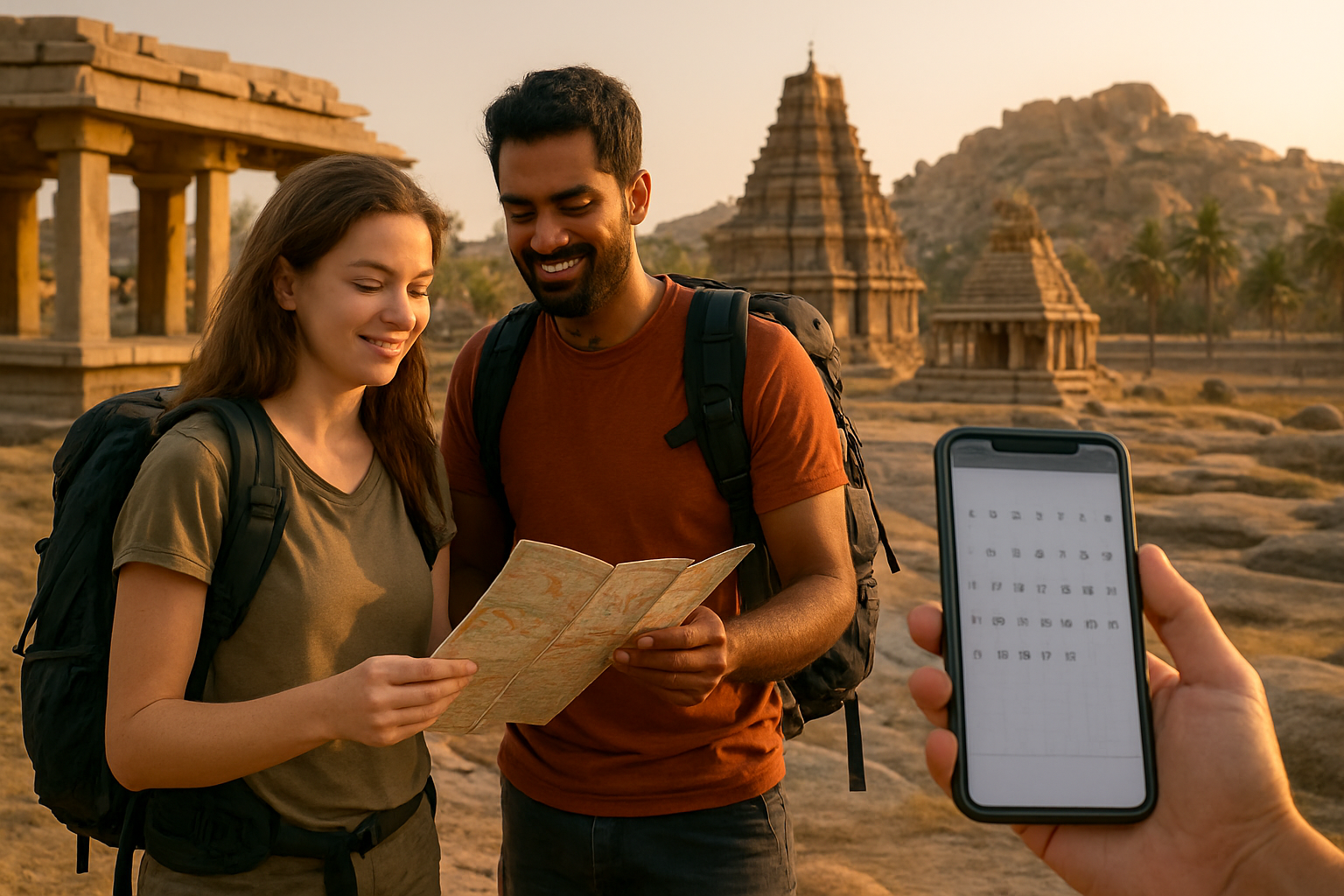
Three days represents the absolute minimum for experiencing Hampi’s essential highlights. This timeframe allows you to cover the Virupaksha Temple complex, explore the Royal Enclosure with its iconic structures like the Lotus Mahal and Elephant Stables, and witness a stunning sunrise or sunset from Hemakuta Hill. Day one typically focuses on the Sacred Center around Hampi Bazaar, day two covers the Royal Centre, and day three can be dedicated to Anegundi and the northern bank of the Tungabhadra River.
However, four to five days provides a more comfortable pace without feeling rushed. This duration lets you thoroughly explore each monument cluster, spend quality time photographing the intricate stone carvings, and engage with local guides who share fascinating historical stories. You’ll have breathing room for spontaneous discoveries like stumbling upon lesser-known temples or enjoying a leisurely coracle ride across the river.
The sprawling UNESCO World Heritage site covers over 25 square kilometers with more than 1,600 surviving monuments. Rushing through in just two days means missing architectural gems like the Queen’s Bath, Hazara Rama Temple’s detailed relief panels, and the atmospheric ruins scattered across the boulder-strewn landscape.
Extended Stay Benefits for History Enthusiasts
Seven to ten days opens up extraordinary opportunities for deep historical immersion that casual visitors simply cannot access. Extended stays allow you to explore remote temple complexes like Achyutaraya Temple and Tiruvengalanatha Temple, which require significant walking through rocky terrain but reward visitors with pristine carvings and minimal crowds.
History buffs can dedicate entire days to specific dynasties or architectural styles. Spend one day exclusively on Vijayanagara military architecture, examining the sophisticated fortification systems, watchtowers, and secret passages that protected this medieval metropolis. Another day might focus on religious architecture evolution, tracing the transition from early Chalukyan influences to mature Vijayanagara temple design.
Longer stays enable meaningful interactions with local archaeologists, heritage guides, and researchers who often work on ongoing excavations. Many offer private tours sharing unpublished findings and theories about daily life in medieval Hampi. You can also time visits to coincide with archaeological work seasons, potentially witnessing new discoveries firsthand.
Photography enthusiasts particularly benefit from extended stays, capturing the same monuments under different lighting conditions throughout various times of day. The golden hour light transforms stone facades dramatically between morning and evening sessions.
Weekend vs Week-long Trip Advantages
Weekend trips work perfectly for visitors seeking Instagram-worthy highlights and basic historical context. Two to three days covers major monuments efficiently, making it ideal for busy professionals or first-time visitors testing their interest in heritage tourism. Weekend travelers can focus on the most photogenic spots like the Stone Chariot, Vittala Temple’s musical pillars, and panoramic viewpoints.
The compressed timeframe forces prioritization, which can actually enhance focus. Instead of monument fatigue from attempting everything, weekend visitors often report deeper appreciation for the selected sites they do visit. Transportation is typically easier to arrange for shorter durations, with many tour operators offering weekend packages from Bangalore or Goa.
Week-long trips transform Hampi from a destination into an experience. Extended stays allow for slow travel principles – morning yoga sessions overlooking ancient ruins, afternoon conversations with local artisans, evening walks through paddy fields surrounding the historical core. You can explore seasonal activities like rock climbing on the unique boulder formations or cycling through rural villages that maintain traditional lifestyles.
Longer visits also enable day trips to related historical sites like Badami, Pattadakal, or Aihole, creating a comprehensive understanding of Deccan architectural evolution. Week-long travelers often develop personal connections with guesthouse owners, local guides, and fellow travelers, creating lasting memories beyond mere sightseeing.
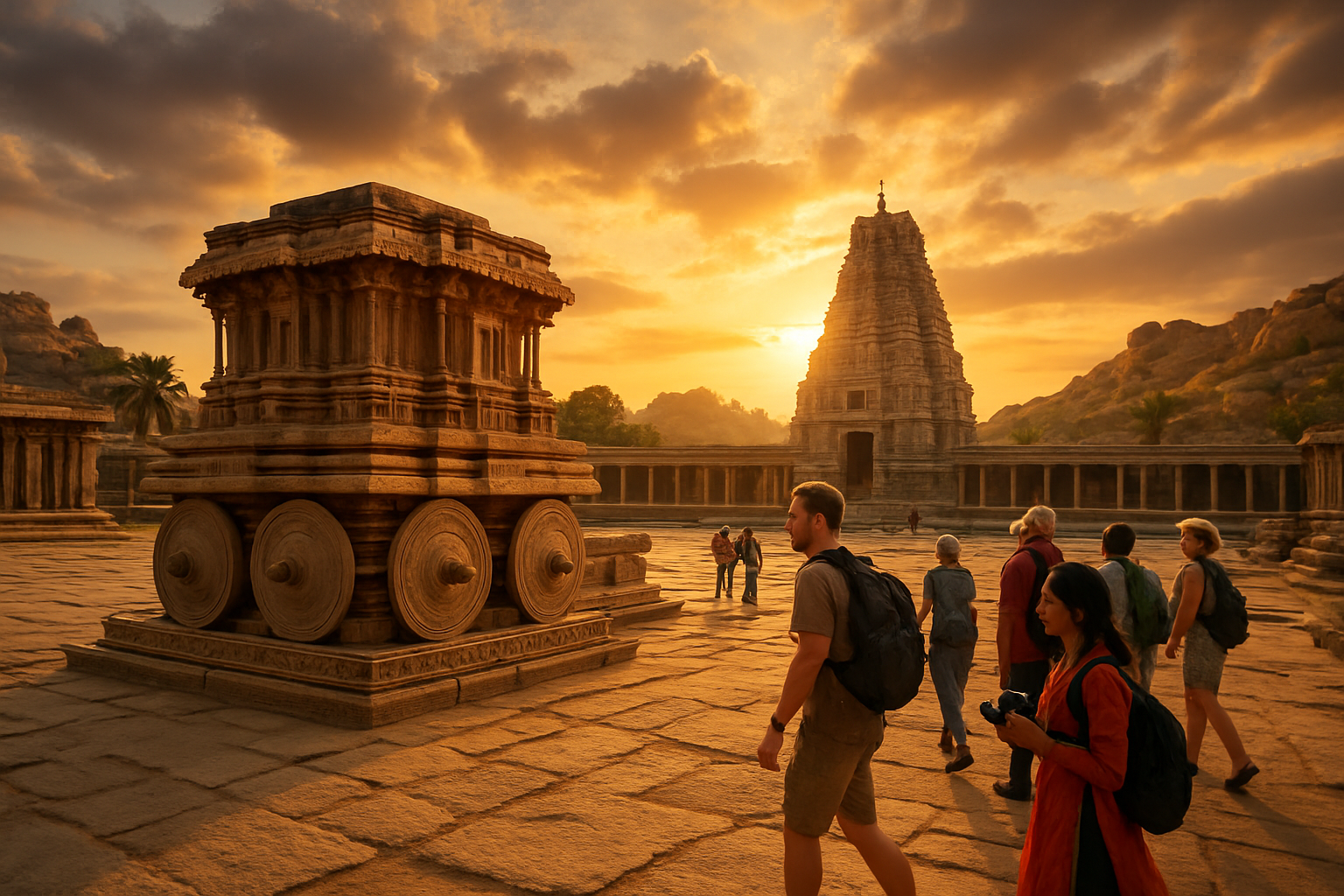
Hampi’s incredible mix of stunning ruins and vibrant culture makes timing your visit really important. The cooler months from October to March give you the perfect weather for exploring those amazing stone temples and boulder landscapes without melting in the heat. Sure, you’ll deal with bigger crowds during peak season, but the comfortable temperatures and festival celebrations make it totally worth it.
If you’re looking to save money and don’t mind some heat, the shoulder months of April and September can be great alternatives. You’ll get smaller crowds and better hotel deals while still enjoying decent weather for most activities. Just remember to plan around the major festivals like Hampi Utsav in January – these events bring Hampi’s history to life in the most incredible way. Book your trip early, pack light cotton clothes, and give yourself at least three days to really soak in everything this UNESCO World Heritage site has to offer.
Leave a Reply