
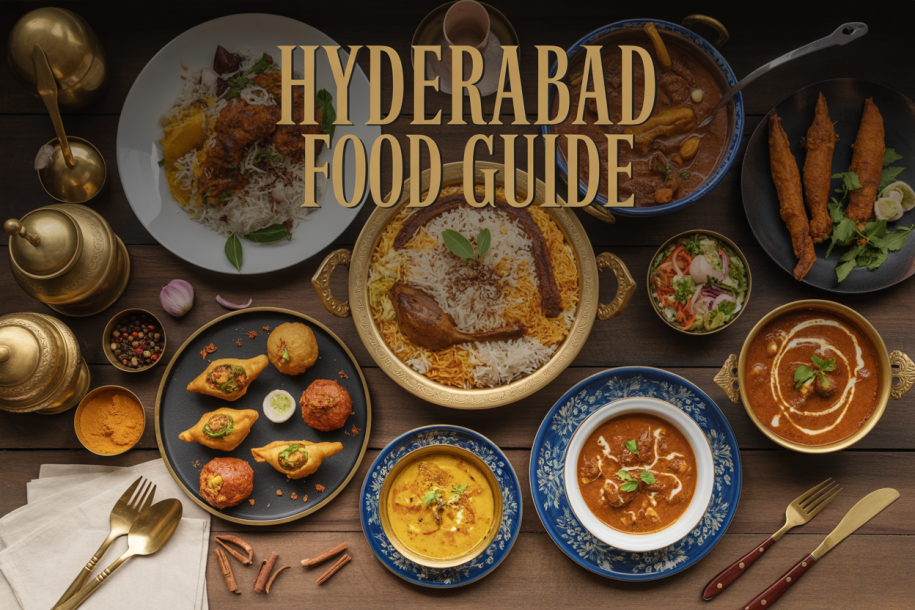
Hyderabad’s food scene tells the story of centuries through every bite, blending Mughal influences with local Telugu traditions to create something completely unique. This guide is perfect for first-time visitors, food enthusiasts planning their next culinary adventure, and locals wanting to rediscover their city’s incredible flavors.
You’ll discover the legendary biryani that put Hyderabad on India’s food map, plus hidden street food gems that locals have been keeping secret for generations. We’ll also explore the royal Nizami dishes that once graced palace tables and showcase amazing vegetarian options that prove plant-based eating in Hyderabad is anything but boring.
From bustling food streets in the Old City to upscale restaurants preserving traditional recipes, you’ll know exactly where to find each of these 10 must-try dishes. Get ready to eat your way through a city where every meal feels like a celebration.
Hyderabadi Biryani: The Dish That Made the World Fall in Love With Hyderabad Food
The Secret Dum Cooking Method That Makes Hyderabadi Biryani Unlike Any Other Biryani in India
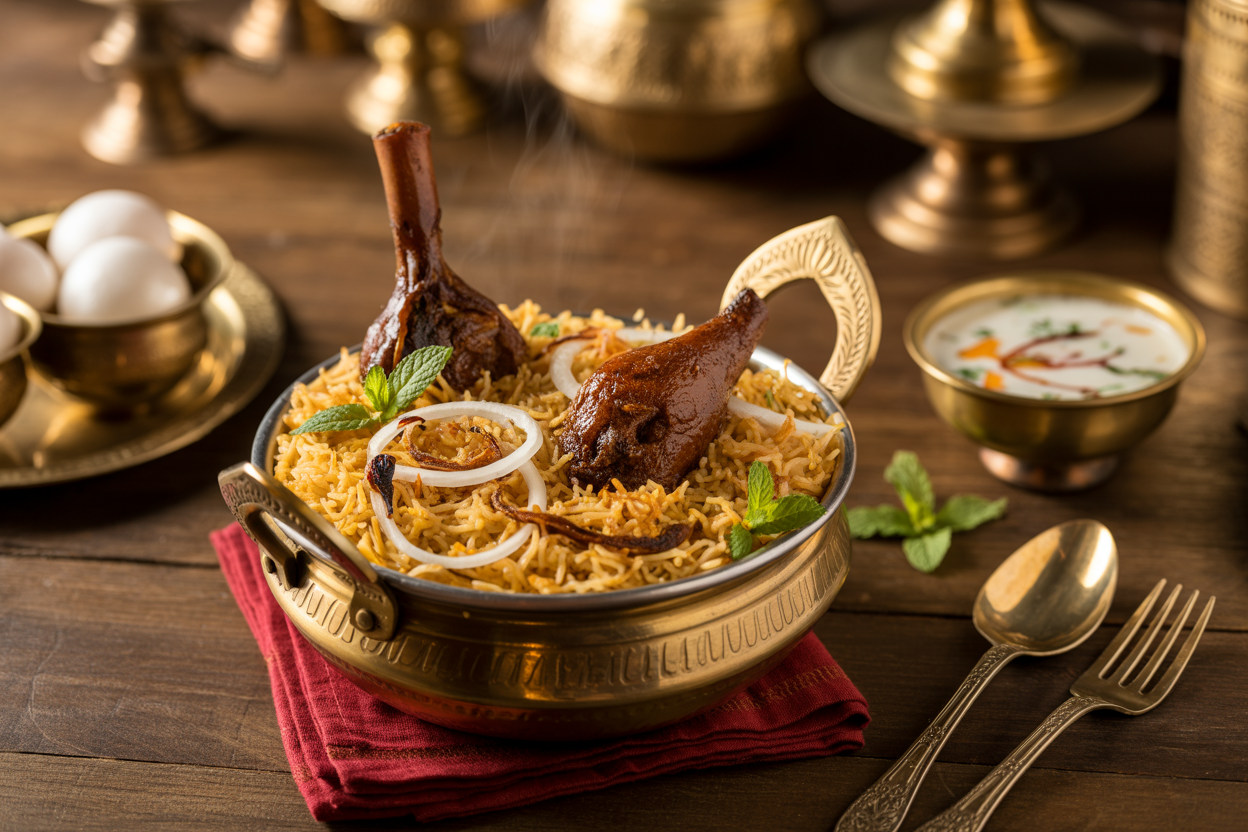
The magic of Hyderabadi dum biryani lies in a cooking method that’s been perfected over centuries. The word “dum” literally means “to breathe in” – a slow-cooking technique where the biryani is sealed in a heavy-bottomed pot with wheat dough and cooked on low heat for hours.
The secret starts with selecting the right rice – always aged basmati that’s soaked for exactly 30 minutes. The meat, typically mutton or chicken, gets marinated overnight in yogurt, red chili powder, and a special blend of spices including star anise, black cardamom, and mace. What sets this apart is the layering technique called “kachchi biryani” where raw marinated meat and partially cooked rice are layered alternately.
The real game-changer is the saffron-infused milk and fried onions scattered between layers. Mint leaves and fresh coriander add aromatic depth. The pot gets sealed with aluminum foil, then covered with wheat dough to create an airtight chamber. This allows the ingredients to cook in their own steam and juices.
Temperature control is crucial – high heat for the first 5 minutes, then reduced to the lowest setting for 45 minutes. Some traditional cooks place the pot on a tawa (griddle) to prevent direct heat contact. The result? Perfectly cooked rice where each grain remains separate, meat that falls off the bone, and flavors that have melded into pure perfection.
Paradise, Shah Ghouse and Bawarchi: Where to Eat the Best Hyderabadi Biryani in the City
Paradise Restaurant stands as Hyderabad’s biryani institution since 1953, serving over 1,000 plates daily at their Secunderabad location. Their mutton biryani maintains the authentic kachchi method with generous portions of tender meat and fragrant rice.
Bawarchi in RTC Cross Roads has earned legendary status among locals. Their chicken biryani comes with perfectly spiced shorba (soup) and pickled onions. The restaurant’s no-frills ambiance reflects their focus on food quality over fancy décor.
Shah Ghouse Cafe & Restaurant near Charminar offers biryani that stays true to Nizami traditions. Their mutton pieces are generously sized, and they serve authentic accompaniments like boiled eggs and raita. The restaurant operates from early morning until late night, catering to biryani cravings at any hour.
Hotel Shadab, also near Charminar, has been family-owned since 1950. They’re famous for their special biryani served during Ramadan, prepared in massive pots that feed hundreds. Their chicken biryani is milder and perfect for those who prefer less spicy food.
Cafe Bahar in Basheer Bagh serves biryani that locals swear by, especially their mutton variety. The restaurant has maintained consistent quality for decades, attracting everyone from students to business executives.
For a more upscale experience, Jewel of Nizam at The Minar serves royal-style biryani in an elegant setting, perfect for special occasions while maintaining authentic flavors.
Hyderabadi Biryani vs Lucknowi and Kolkata Biryani: Why Hyderabad Wins Every Time
Hyderabadi biryani stands apart through its unique kachchi (raw) cooking method, unlike Lucknowi biryani where meat is partially cooked first. This raw technique allows flavors to develop naturally during the slow dum process, creating deeper, more complex tastes.
The rice-to-meat ratio differs significantly – Hyderabadi biryani typically contains more meat compared to other varieties. Each serving includes substantial pieces of mutton or chicken, making it a complete meal rather than rice with meat garnish.
Spice profiles set Hyderabadi biryani apart. While Kolkata biryani includes potatoes and boiled eggs, and Lucknowi biryani focuses on subtle flavors, Hyderabadi biryani strikes a perfect balance. It’s more robust than Lucknowi but less heavy than Kolkata style.
The accompaniments differ too. Hyderabadi biryani comes with shorba (spiced soup), raita, and pickle – a combination that complements the rich flavors. Other regional styles might serve different sides or none at all.
Saffron usage in Hyderabadi biryani is more generous, giving the rice a beautiful golden color and distinct aroma. The cooking vessels also matter – traditional bhaghar (heavy-bottomed pots) are still used in authentic restaurants, unlike other regions that may use modern equipment.
The garnishing style with fried onions, mint, and coriander creates visual appeal that’s distinctly Hyderabadi. This attention to presentation reflects the dish’s royal heritage and the city’s appreciation for culinary artistry.
The single most rewarding way to experience Hyderabadi biryani in its full cultural context is on our expert guided Hyderabad biryani food walk through the lanes of the Old City, where a food evangelist takes you to the most legendary biryani spots in Hyderabad with the stories, history and Nizami heritage behind every dish. Book at https://5senseswalks.com/tour/hyderabad-biriyani-food-walk/
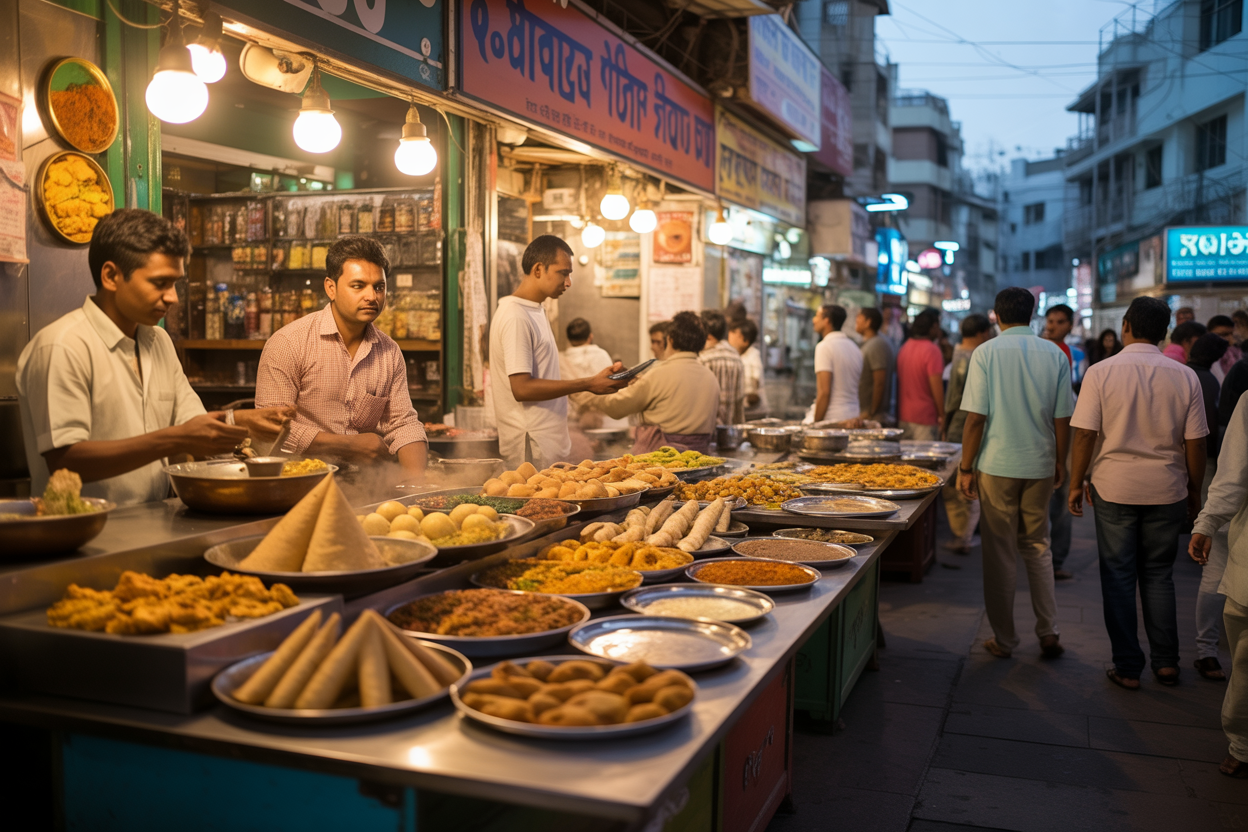
Hyderabad Street Food: The Charminar Lanes Where the City’s Greatest Flavours Come Alive
Hyderabad Haleem: The Slow-Cooked Wonder That Becomes a Cultural Phenomenon Every Ramadan
Haleem stands as Hyderabad’s most beloved comfort food, transforming simple ingredients into a soul-warming delicacy that has captivated food lovers for centuries. This slow-cooked marvel combines wheat, lentils, and tender meat into a creamy, porridge-like consistency that melts in your mouth. The magic happens during the laborious cooking process, where skilled chefs stir the mixture for hours until the grains and meat blend seamlessly together.
During Ramadan, haleem becomes more than just food—it’s a cultural phenomenon. The dish provides essential nutrients and sustained energy after long fasting hours, making it perfect for iftar meals. Street vendors and restaurants across Hyderabad prepare massive cauldrons of haleem, filling the air with aromatic spices like cardamom, cinnamon, and bay leaves.
The nutritional profile of haleem makes it a powerhouse meal. Packed with protein from meat and lentils, complex carbohydrates from wheat, and healthy fats from ghee and nuts, it delivers complete nutrition in every spoonful. The slow cooking process breaks down proteins and starches, making them easily digestible—ideal for breaking a fast.
Garnished with fried onions, fresh mint, ginger julienne, and a squeeze of lemon, each bowl tells a story of Hyderabadi hospitality and culinary expertise.
The Diamond-Shaped Mughal Pastry That Is Hyderabad’s Most Underrated Street Food
Lukhmi represents the perfect fusion of Mughal culinary traditions and local Hyderabadi flavors, creating a street food snack that’s both elegant and satisfying. These diamond-shaped pastries feature paper-thin, flaky crusts that shatter delicately with each bite, revealing a treasure of aromatic spiced minced meat inside.
The art of making lukhmi lies in the delicate balance of textures and flavors. Master bakers roll the dough paper-thin, creating layers that puff up beautifully when deep-fried to golden perfection. The filling combines finely minced mutton or chicken with onions, green chilies, and a carefully curated blend of spices including cumin, coriander, and garam masala.
What sets authentic Hyderabadi lukhmi apart is the technique used to seal these parcels. Skilled vendors crimp the edges with precision, ensuring no filling escapes during frying while creating those characteristic decorative patterns. The result is a pastry that’s simultaneously crispy and tender, with flavors that burst in your mouth.
Street vendors across the old city serve lukhmi hot throughout the day, often paired with tangy tamarind chutney or spicy green chutney. The combination of textures—from the crackling pastry to the succulent meat filling—makes lukhmi an irresistible snack that perfectly captures the essence of Hyderabadi street food culture.
Irani Chai and Osmania Biscuits: The Persian Legacy That Defines Hyderabad’s Cafe Culture
Irani chai culture defines Hyderabad’s social fabric, transforming simple tea drinking into a cherished ritual that brings communities together. These iconic cafes, established by Persian immigrants, serve tea that’s distinctly different from typical Indian chai—it’s stronger, sweeter, and has a unique caramelized flavor from slow-boiled milk and generous amounts of sugar.
The preparation of Irani chai is an art form passed down through generations. Tea leaves are boiled with milk and sugar in large copper kettles, creating a rich, amber-colored brew that’s served in small glass tumblers. The secret lies in the slow cooking process, which develops complex flavors and that signature creamy texture.
Osmania biscuits serve as the perfect companion to this aromatic tea. Named after the last Nizam of Hyderabad, these crispy, slightly sweet biscuits have a unique texture—neither too hard nor too soft. Made with simple ingredients like flour, sugar, salt, and ghee, they achieve their distinctive taste through precise baking techniques that create a delicate crunch.
The magic happens when you dip these golden biscuits into hot Irani chai, allowing them to soften slightly while absorbing the tea’s flavors. This combination has become so integral to Hyderabadi culture that locals often plan their day around chai breaks at neighborhood Irani cafes, where conversations flow as freely as the tea.
Seekh Kebabs and Boti Kebabs: Hyderabad’s Smoky Roadside Grill Culture Explained
Hyderabad’s street-side kebab culture represents the city’s carnivorous soul, where skilled grill masters transform simple meat cuts into smoky, spice-laden masterpieces that sizzle with flavor. The aroma of charcoal-grilled meat wafts through narrow lanes, drawing food enthusiasts from across the city to these humble roadside stalls.
Seekh kebabs reign supreme among street varieties, with vendors shaping spiced minced meat around metal skewers before placing them over glowing coals. The meat mixture combines mutton or chicken with onions, garlic, ginger, and a secret blend of spices that varies from vendor to vendor. The grilling process creates a beautiful contrast—charred and crispy exterior hiding tender, juicy meat inside.
Boti kebabs offer a different experience, featuring marinated meat chunks that develop a gorgeous caramelized crust while remaining succulent within. The marinade typically includes yogurt, red chili powder, turmeric, and aromatic spices that penetrate deep into the meat during hours of preparation.
What makes roadside kebabs special is the immediate gratification—they’re grilled fresh to order, served piping hot with sliced onions, mint chutney, and soft roomali rotis or naan. The informal setting adds to the experience, where you eat standing beside the grill, watching flames dance around your food while engaging in friendly banter with the kebab master who takes genuine pride in his craft.
Every one of these extraordinary street food experiences is a stop on our Hyderabad food walk through the Old City, where our food evangelist takes you through Charminar’s most legendary lanes with stories and cultural context that transform every bite into a genuinely memorable experience.
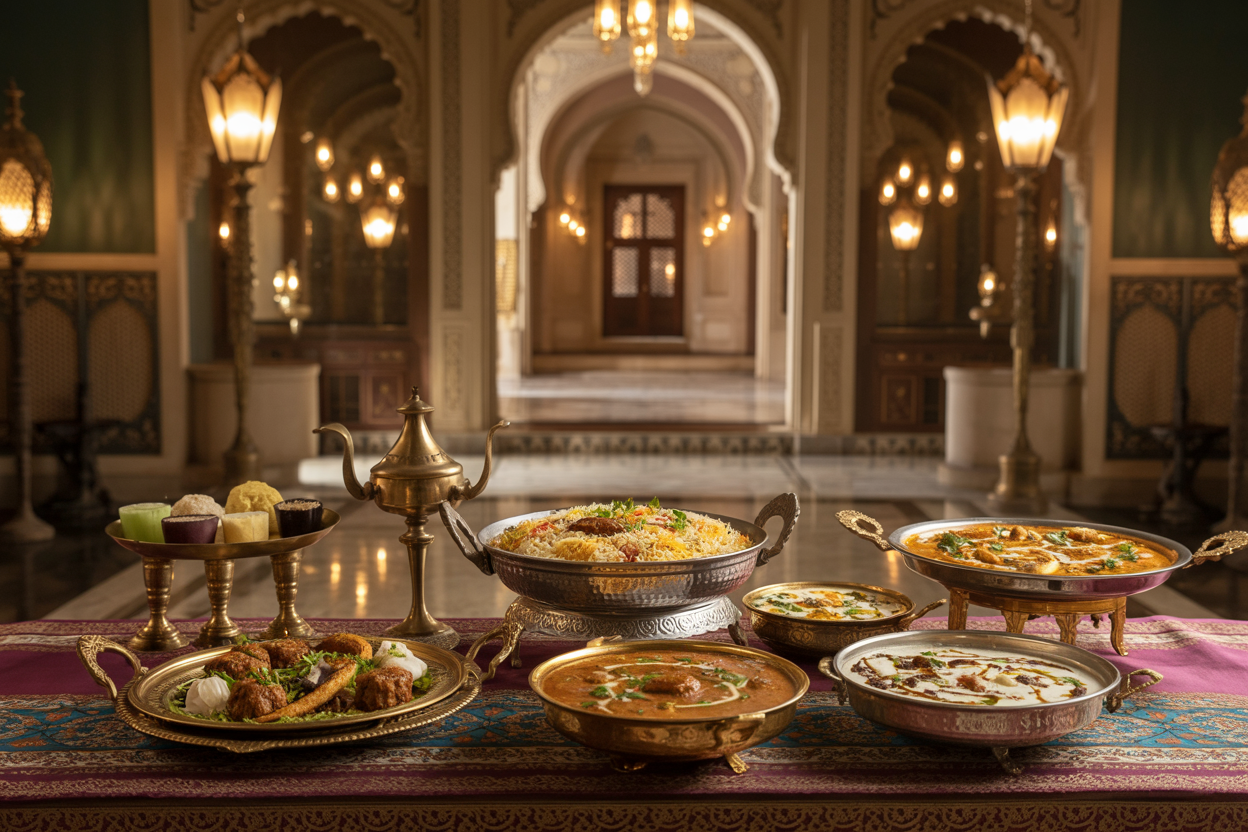
Nizami Food Hyderabad: The Royal Palace Dishes That Once Graced the Nizam’s Table
Hyderabad Nihari: The Overnight Slow-Cooked Breakfast Dish of the Nizam’s Royal Kitchens
Nihari represents the pinnacle of Nizami breakfast culture, transforming an early morning meal into a regal feast. This slow-cooked mutton stew simmers overnight for 6-8 hours, allowing tender meat to fall off the bone while absorbing aromatic spices like cardamom, cinnamon, and bay leaves. The cooking process creates a rich, gelatinous gravy that coats your palate with layers of complex flavors.
Traditionally served with naan or kulcha, Nihari comes garnished with fresh ginger julienne, chopped cilantro, and a squeeze of lime. The dish originated in the royal kitchens where palace cooks would prepare it before dawn for the nobility’s breakfast. Today, authentic Nihari spots across Hyderabad open as early as 6 AM, maintaining this breakfast tradition.
The secret lies in the bone marrow, which melts into the gravy during the extended cooking process, creating that signature silky texture. Each spoonful delivers warming spices balanced with the meat’s natural richness, making it perfect for Hyderabad’s cooler mornings.
Double Ka Meetha: The Nizami Bread Pudding That Has Been Hyderabad’s Favourite Dessert for Centuries
Double Ka Meetha stands as Hyderabad’s most beloved dessert, transforming simple bread into a luxurious sweet that graced Nizami tables for centuries. This bread pudding uses thick slices of milk bread, deep-fried until golden, then soaked in sweetened milk infused with cardamom and saffron.
The preparation involves layering the fried bread with reduced milk (rabri), creating multiple textures within each serving. Chopped almonds, pistachios, and cashews add crunch while rose petals provide aromatic elegance. The dish gets its name from “double roti” (bread) and showcases how royal chefs elevated humble ingredients into spectacular desserts.
What makes authentic Double Ka Meetha special is the patience required for the milk reduction. The milk slowly concentrates over hours, developing a creamy consistency that perfectly balances sweetness with the bread’s subtle saltiness. Some versions include a hint of rose water or kewra essence, adding floral notes that distinguish it from ordinary bread puddings.
Pathar Ka Gosht: The Dramatic Stone-Grilled Mutton Dish From Hyderabad’s Nizami Kitchen Tradition
Pathar Ka Gosht delivers drama alongside flavor, with tender mutton pieces grilled directly on heated stone slabs. This cooking method, perfected in Nizami kitchens, creates an exceptional sear while keeping the meat incredibly juicy. The stone retains heat evenly, allowing for consistent cooking that modern grills struggle to replicate.
The meat marinates in yogurt, red chili powder, ginger-garlic paste, and garam masala before hitting the stone. The high heat caramelizes the exterior instantly while locking in the meat’s natural juices. Each piece develops a smoky char with spice-crusted edges that contrast beautifully with the tender interior.
Watching the preparation becomes part of the experience as the sizzling meat sends aromatic smoke curling upward. The stone’s intense heat creates those coveted grill marks while infusing a subtle mineral flavor that you can’t achieve with conventional cooking methods. Served immediately with mint chutney and sliced onions, Pathar Ka Gosht represents the theatrical side of Nizami cuisine where cooking method matters as much as ingredients.
The full story of Hyderabad’s extraordinary Nizami culinary heritage is best experienced in person. Our Hyderabad walks and Hyderabad tours from 5 Senses Tours take you deep into the Old City’s most extraordinary food and heritage experiences with expert guides who bring the Nizam’s world vividly to life.
Hyderabad Vegetarian Food: The Plant-Based Dishes That Prove This City Is Not Just About Biryani
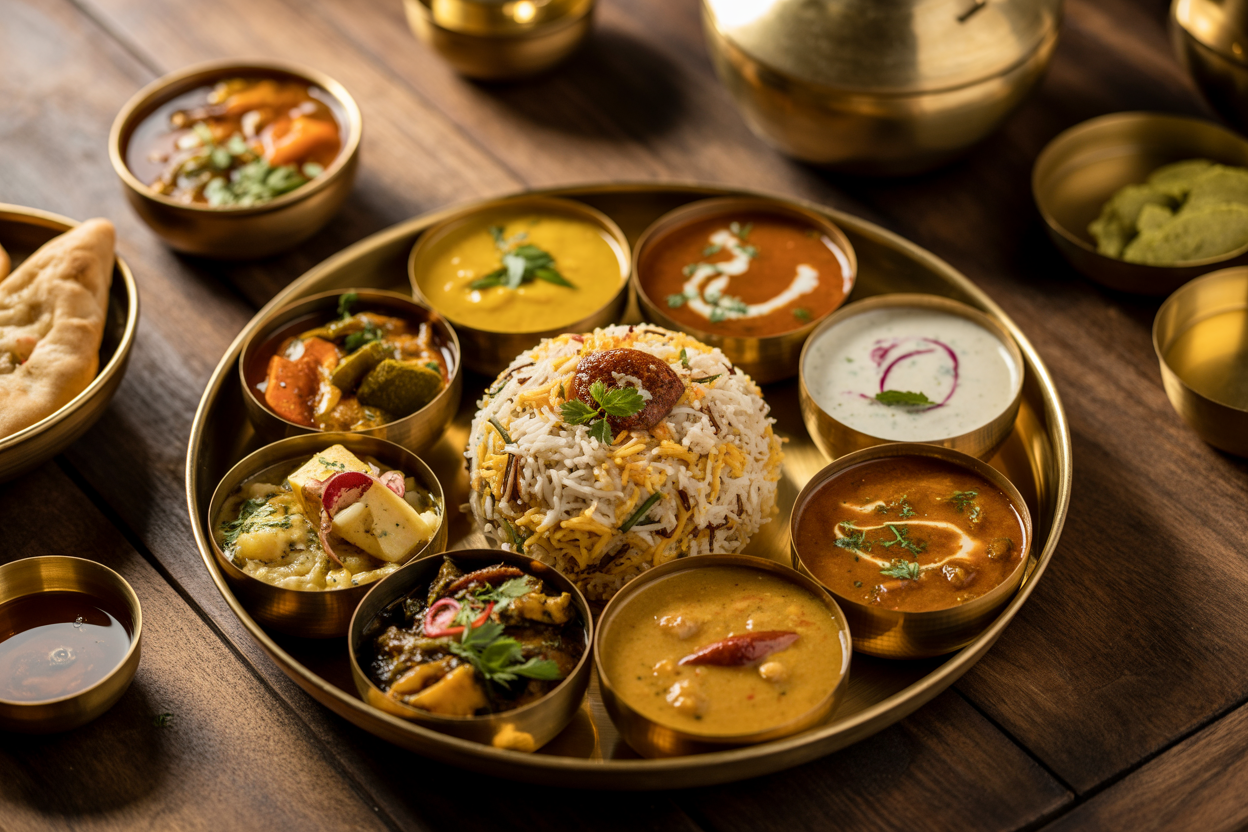
Bagara Baingan: The Hyderabadi Eggplant Curry That Belongs on Every Food Walk Through the Old City
This signature Hyderabadi dish transforms humble baby eggplants into a royal feast. The small, tender brinjals are first deep-fried until golden, then simmered in a rich gravy made with roasted peanuts, sesame seeds, and coconut. What makes Bagara Baingan special is the complex spice blend called “baghar” – a tempering of cumin, mustard seeds, and curry leaves that releases aromatic oils when heated.
The curry gets its distinctive flavor from tamarind paste that adds tanginess, balanced perfectly with jaggery’s sweetness. Onions are fried until caramelized, then ground into a smooth paste that forms the gravy’s base. Fresh coriander and mint leaves are stirred in at the end, creating layers of flavor that make each bite memorable.
Mirchi Ka Salan: The Nizami Chilli Gravy That Is the Perfect Companion to Hyderabadi Biryani
Don’t let the name fool you – this isn’t just about heat. Mirchi Ka Salan features large green chilies stuffed with spiced onion mixture, then cooked in a creamy, tangy gravy. The dish originated in the Nizam’s kitchens and remains a beloved accompaniment to biryani.
The gravy combines roasted peanuts, sesame seeds, and coconut ground into a paste, then cooked with onions, ginger-garlic, and a special blend of Hyderabadi spices. Tamarind juice provides the characteristic sourness, while a touch of jaggery balances the flavors. The result is a complex curry where the chilies become mild and flavorful, absorbing all the aromatic spices.
Khatti Dal: The Hyderabadi Lentil Dish That Shows Why This City’s Spice Blends Are Unmatched
Hyderabadi dal goes beyond simple lentil soup. The city’s cooks transform ordinary pulses into extraordinary dishes using traditional techniques passed down through generations. Khatti Dal features multiple lentils cooked together with kokum or tamarind for sourness, creating a protein-rich dish with depth.
The secret lies in the tempering process. Whole red chilies, bay leaves, and black cardamom are fried in ghee until fragrant, then poured over the cooked dal. Some preparations include bottle gourd or drumsticks, adding vegetables and nutrition. The final garnish of fresh coriander and a squeeze of lemon brightens the entire dish.
Qubani Ka Meetha: The Persian-Influenced Apricot Dessert That Ends Every Hyderabad Meal Perfectly
This royal dessert showcases Hyderabad’s Persian influences beautifully. Dried apricots are soaked overnight, then cooked until they break down into a thick, jammy consistency. Sugar is added sparingly – the fruit’s natural sweetness takes center stage.
What elevates Qubani Ka Meetha is the garnish. Blanched almonds are slivered and scattered on top, adding crunch and richness. Some versions include a dollop of fresh cream or a scoop of vanilla ice cream, creating temperature and texture contrasts. The dessert tastes like concentrated sunshine – sweet, tangy, and incredibly satisfying after a heavy meal.
Hyderabad’s extraordinary vegetarian food tradition is as rich and deep as its meat-based cuisine. Our Hyderabad food walk includes vegetarian options at every stop and our food evangelist can tailor the experience to your dietary preferences, ensuring an equally immersive and delicious journey through the city’s culinary heritage.
Where to Eat in Hyderabad: The Best Restaurants and Street Food Spots for Every Dish on This List
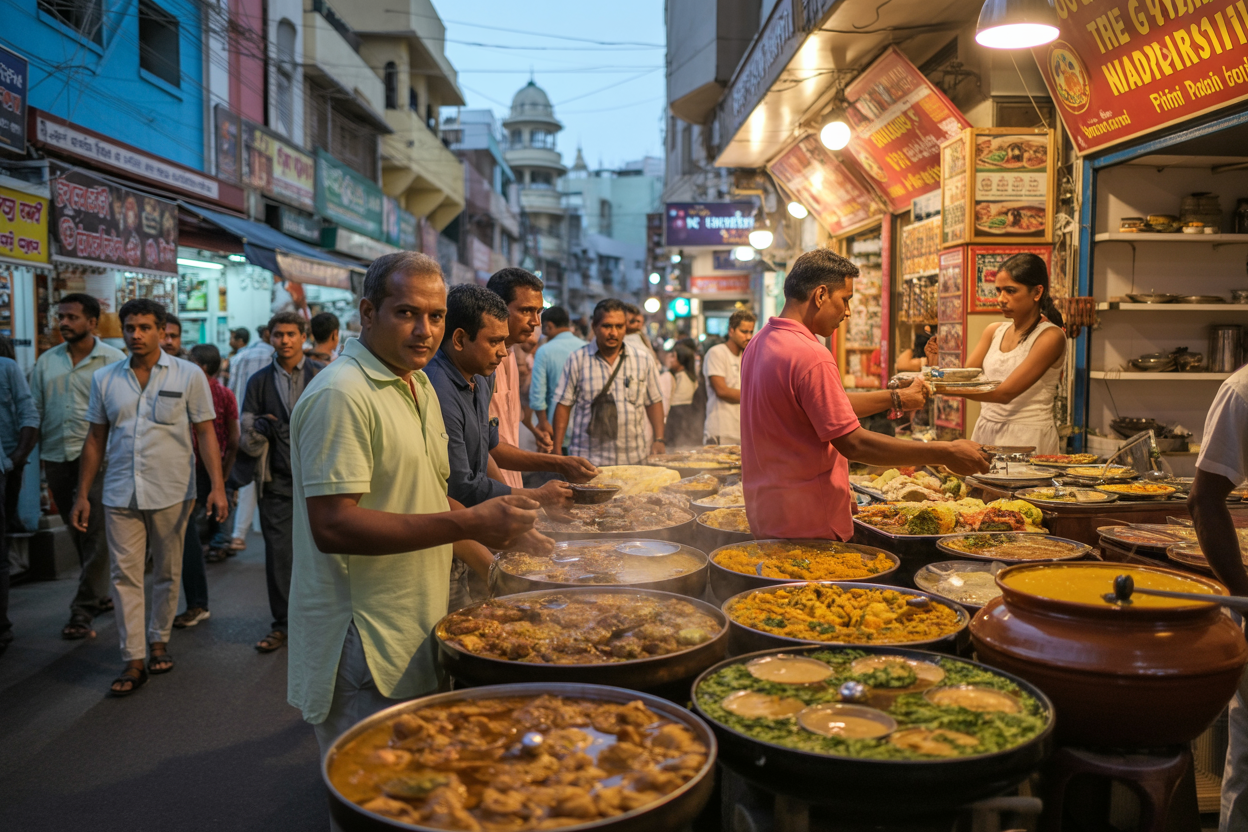
Charminar and the Old City: Hyderabad’s Most Legendary Heritage Restaurants and Food Streets
The narrow lanes of the Old City hold Hyderabad’s culinary soul, where centuries-old recipes have been passed down through generations of dedicated families. Paradise Restaurant stands as the undisputed king of biryani, serving authentic Hyderabadi dum biryani since 1953. Their original location in Secunderabad remains a pilgrimage site for biryani lovers worldwide.
Shah Ghouse Cafe offers an equally legendary experience, where the fragrant rice and tender mutton create magic in traditional bhaghar pots. The restaurant’s weathered walls tell stories of countless satisfied customers who’ve made this their regular haunt.
For royal Nizami cuisine, Hotel Shadab near Charminar serves authentic haleem, nihari, and paya in an atmosphere that feels like stepping back in time. The family has maintained their original recipes for over four decades, refusing to compromise on quality or tradition.
Cafe Bahar delivers consistently excellent biryani and kebabs, while Alpha Hotel specializes in breakfast delicacies like nihari and paya that locals queue up for at dawn. These establishments don’t just serve food – they preserve Hyderabad’s gastronomic heritage with every plate that leaves their kitchen.
Modern Hyderabad Restaurants That Honour Traditional Nizami Cooking Methods Without Compromise
Contemporary Hyderabad has witnessed a new wave of restaurants that honor traditional techniques while offering elevated dining experiences. Bawarchi revolutionized biryani presentation without compromising authenticity, using the same slow-cooking methods that define true Hyderabadi dum biryani.
Jewel of Nizam brings palace-style dining to modern palates, serving elaborate Nizami spreads in elegant settings. Their chefs train under traditional ustads (master cooks) to ensure authentic flavors remain intact.
Over The Moon and Farzi Cafe represent the new generation, creatively presenting traditional dishes while respecting core cooking philosophies. These spaces attract younger crowds who want authentic flavors in contemporary environments.
ITC Kakatiya’s Dum Pukht elevates Nizami cuisine to fine dining standards, where traditional slow-cooking techniques meet impeccable presentation. Their haleem during Ramadan rivals any street-side vendor.
Ohri’s chain maintains consistency across multiple locations, proving that traditional methods can scale without losing soul. Each outlet follows strict protocols to ensure their biryani tastes identical to the original.
Madina Market, Ghansi Bazaar and Jubilee Hills: Hyderabad’s Best Street Food Hotspots by Area
Hyderabad’s streets pulse with authentic flavors that often surpass restaurant experiences. Charminar area transforms into a food paradise after sunset, where vendors serve steaming cups of Irani chai alongside fresh biscuits and osmania cookies.
Madina Market near Charminar becomes a haleem heaven during Ramadan, with dozens of vendors competing to serve the richest, most flavorful bowls. The atmosphere here captures the true spirit of Hyderabadi street food culture.
Ghansi Bazaar offers the city’s best paan, while nearby lanes serve crispy samosas and spicy mirchi bajjis that locals grab for evening snacks. Tank Bund road comes alive with chaat vendors serving dahi puri and bhel puri with distinctive Hyderabadi twists.
Jubilee Hills Check Post has become famous for late-night biryani and kebab vendors who serve office-goers and night owls. Begum Bazaar market area serves traditional breakfast items like double ka meetha and sheer khurma.
Secunderabad Railway Station area buzzes with vendors selling quick bites and full meals to travelers, offering authentic tastes at incredibly affordable prices. These street food experiences provide the most genuine connection to Hyderabad’s culinary traditions.
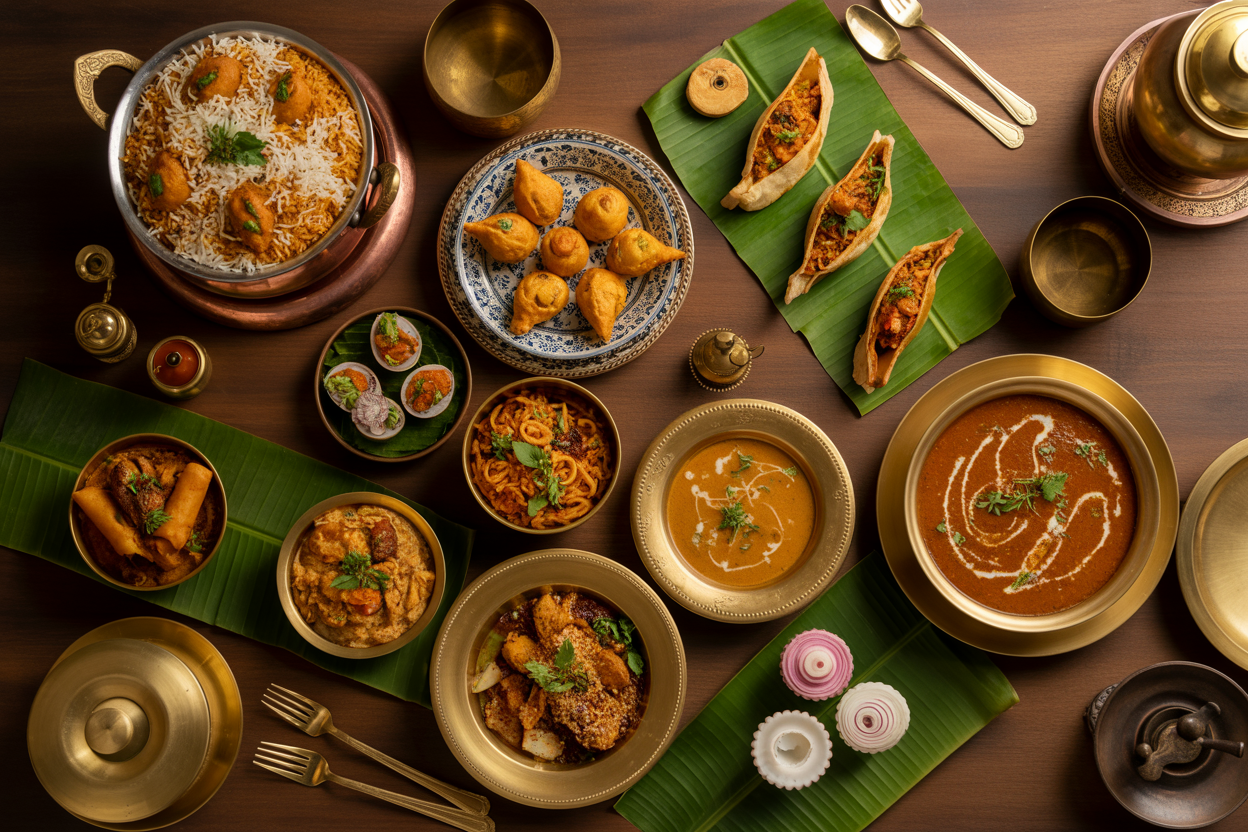
The most reliable and enriching way to find the very best food in Hyderabad is to walk the Old City with an expert guide who knows every vendor, every family and every story. Our Hyderabad biryani food walk takes you directly to the most legendary and authentic food experiences in the city. And for travellers who want to experience the full cultural and heritage depth of Hyderabad beyond the food lanes, our Hyderabad tours from 5 Senses Tours offer expert guided private experiences across Golconda Fort, the Qutub Shahi Tombs, the Charminar and the extraordinary living heritage of the Old City.
Hyderabad’s food scene offers an incredible journey through centuries of culinary tradition, from the legendary biryanis that put this city on the foodie map to hidden street food gems waiting to be discovered. The royal Nizami dishes showcase the elegant palace cooking that once graced royal tables, while the city’s vegetarian offerings prove that plant-based food can be just as exciting and flavorful. Each dish tells a story of cultural fusion, where Mughal influences blend seamlessly with local South Indian flavors.
Don’t just read about these amazing dishes – get out there and taste them for yourself. Your taste buds will thank you, and you’ll understand why food lovers from around the world make special trips to Hyderabad just for the food. Pack your appetite and prepare for a culinary adventure that will leave you planning your next visit before you’ve even finished your first plate of biryani.
If this guide has inspired you to experience Hyderabad’s extraordinary food culture in person, here is everything you need. Our Hyderabad biryani food walk through the Old City is the most immersive and authentic way to taste everything on this list with a food evangelist who knows the city’s culinary soul inside out. Our Hyderabad walks cover the full cultural heritage of the Old City from the Charminar to the spice markets and the jewellery bazaars. And our Hyderabad tours from 5 Senses Tours offer expert guided private experiences across the city’s most extraordinary historical and cultural destinations. Hyderabad is waiting for you. Come hungry.
Leave a Reply